
News
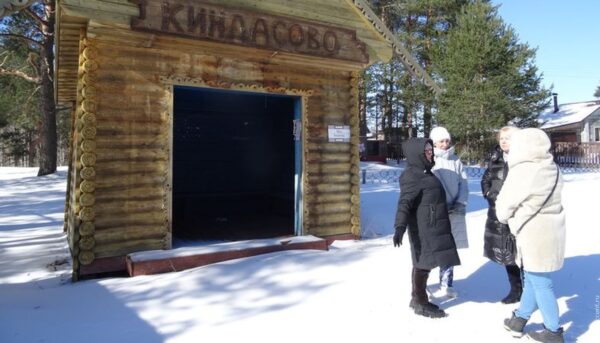
Karelian villagers do not like ethnotourism
Residents of the village of Kinnas (Kindasovo) in Karelia are categorically against their village being turned into a centre for ethnotourism.
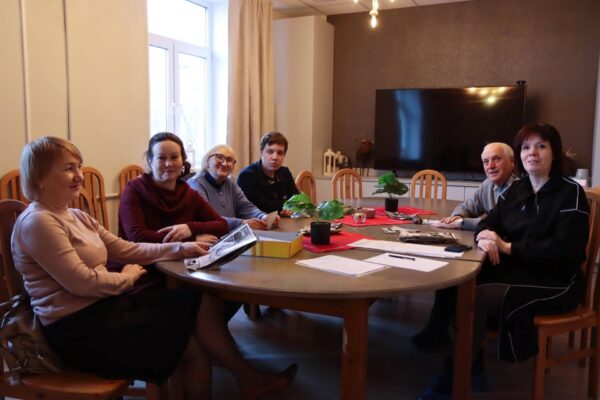
Karelian-Finnish Friendship society closes down
An announcement appeared in the social network VKontakte of the chair of the Karelian-Finnish Friendship Society Yelena Barbashina, inviting the members of the society to a general meeting on April 23 in Petrozavodsk in the House of Karelian, Finnish and Vepsian Production. The agenda of the general meeting will include two items: 1) Liquidation of the Karelian-Finnish Friendship Society in accordance with the legislation of the Russian Federation; 2) Appointment of a three-member liquidation committee.
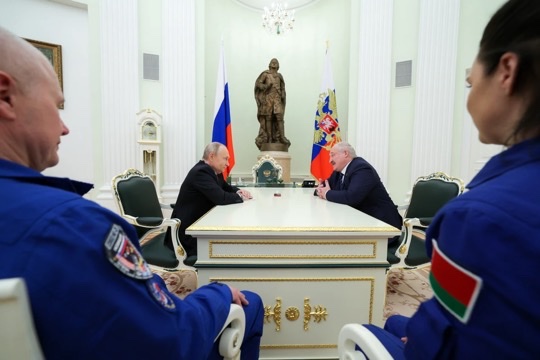
Putin and Lukashenko called Pyak family
From time to time, strange news comes from the Finno-Ugric regions of the Russian Federation, one of which is undoubtedly the phone call between the Russian and Belarusian presidents to the Pyak family of Nenets reindeer herders.
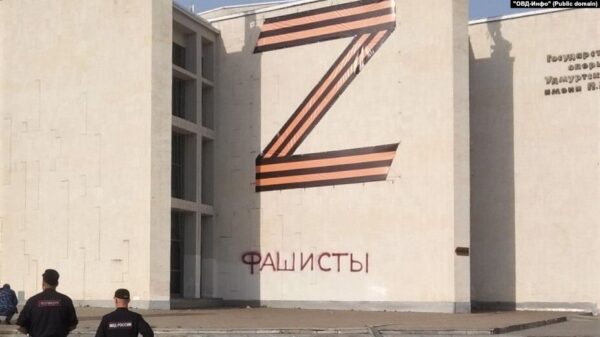
Olga Avdeyeva convicted in Izhkar (Izhevsk)
The Izhevsk City Court convicted Avdeyeva, a doctor and mother of many children, of discrediting the armed forces of the Russian Federation and fined her 120,000 roubles (about €1200).
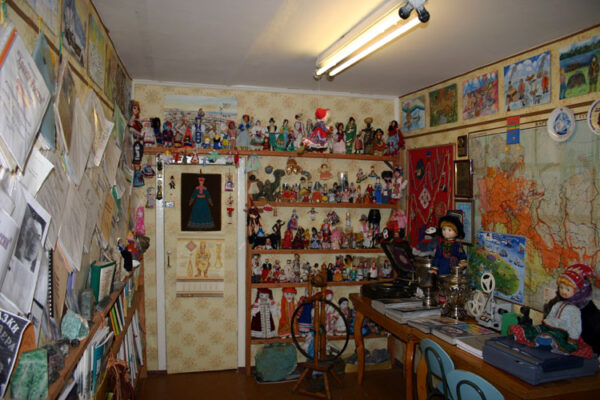
Saami Literature Museum 30 years
On 18 April, the 30th birthday of the only museum dedicated to Saami language and literature in the Russian Federation was celebrated in the village of Revda of Murmansk Region.
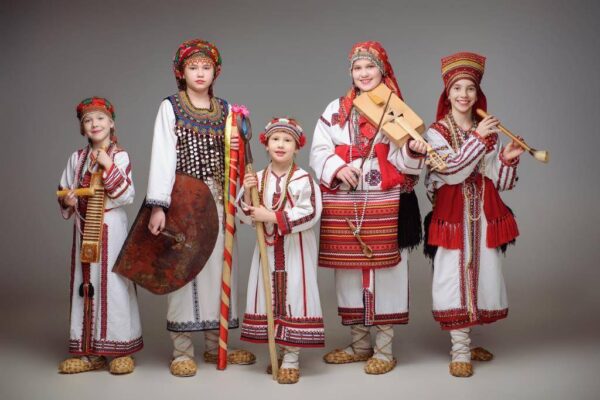
30 years of Erzya Language Day
On 16 April, the Erzya Language Day is celebrated, as decided by the Foundation for Saving the Erzya Language, which was set up in 1993 to support the Erzya national movement. The Foundation itself was named after the linguist Anatoly Ryabov (1894-1838), whose birthday, 16 April, became the date for the celebration of the day in 1994.
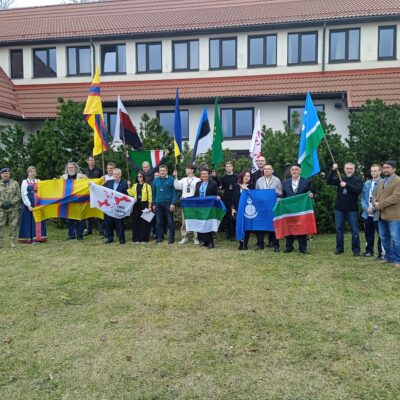
Free Nations League organised in Estonia
On 4-6 April 2024, the Free Nations League held its first congress in Otepää, South Estonia, bringing together anti-imperialist movements in Russia.
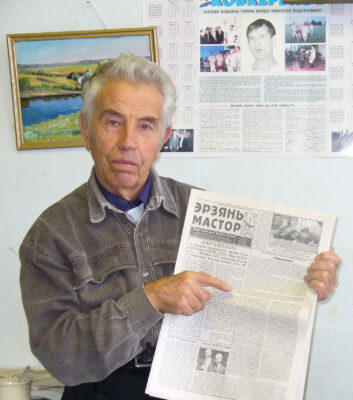
Erzya writer, scientist and societal figure Nuyan Vidyaz 90 years
Nuyan Vidyaz (Yevgeny Chetvergov) was one of the founders of the Mordvin (Erzya and Moksha) national organisation Mastorava in 1989. In 1993, however, he felt that the Erzya needed to organise separately. He was one of the founders of the Erzya Language Foundation (1993-2019). From 1994 to 2017, he was editor-in-chief of Erzyan Mastor, a newspaper published by the Foundation.
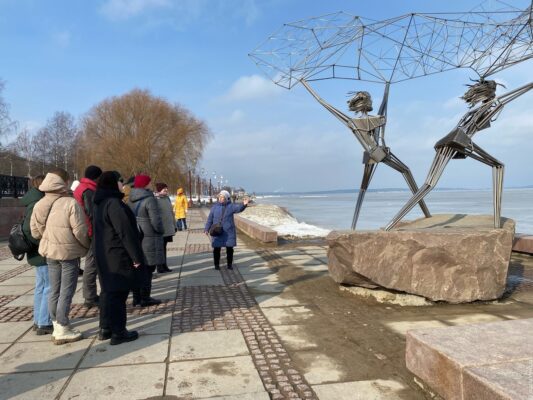
Veps-language tours have become popular in Karelia
At the Media Centre for Karelian, Finnish and Vepsian Resources in the Republic of Karelia, it was reported that tours in Veps are becoming increasingly popular.
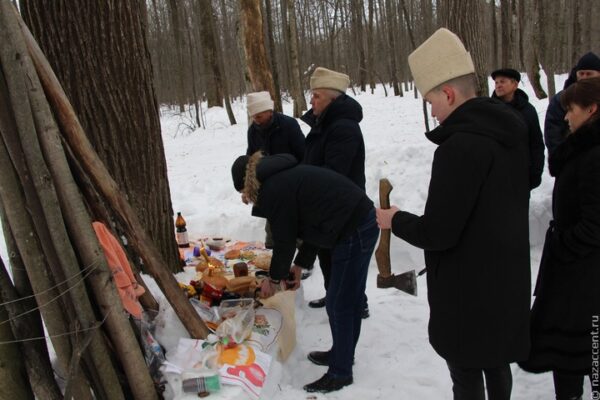
Russia's Ministry of Justice recommends restricting activities of social organisations
On 23 March, the general meeting of the Mari Republic regional social organisation Mari Ushem was held in Yoshkar-Ola, this time in a commercial venue. The republican, state-funded central institution for national organisations, the 'Friendship of Nations' (Дружба народов), did not provide a venue for the meeting.
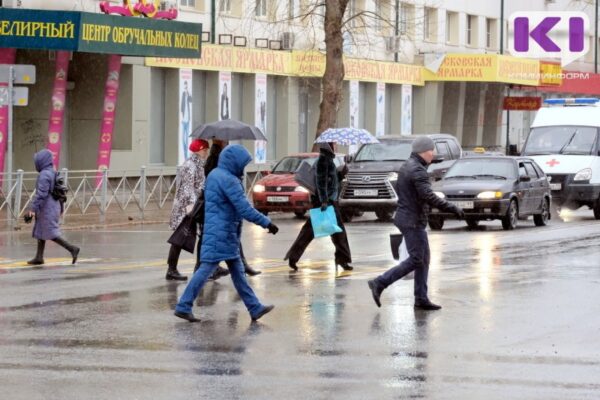
Population of Komi Republic melts like spring snow
According to statistics of the Republic of Komi, 720,610 people were living in the Republic of Komi on 1 January 2024, down from 734,363 on 1 January 2022.
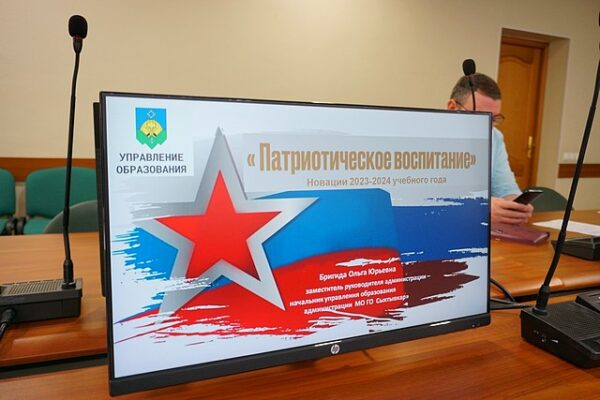
Cadet classes open in all Syktyvkar schools
Instead of informing the public about the opening of Komi language classes in the capital's schools, the city's press department announced the opening of cadet classes in all schools, starting from 1 September 2024.