
News
Arvo Valton Finno-Ugric Literature Fund inviting applications
The Estonian National Culture Foundation (ENCF) is accepting applications from 1 September to 15 October for grants and funding for cultural projects in 2027. The …
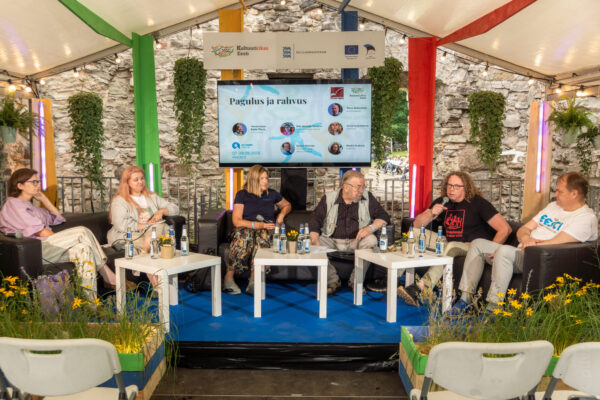
Fenno-Ugria panel "Exile and Nationality" at Paide Opinion Festival
The Fenno-Ugria panel ‘Exile and Nationality’ at the Paide Opinion Festival on 8 August 2026 discussed national identity whilst away from one’s homeland.
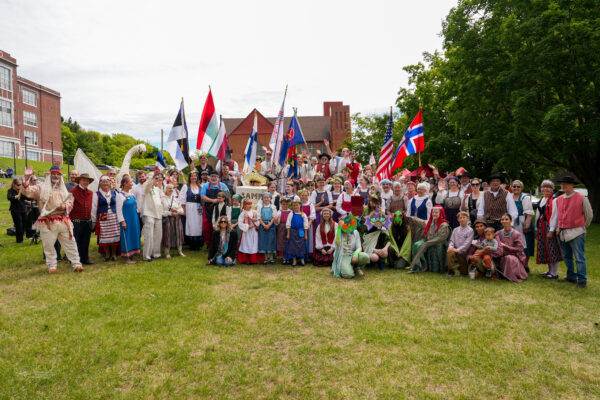
Juhannus in Hancock, Michigan
The main event of the 2026 Finno-Ugric Capital of Culture, Juhannus, was held in Hancock, Michigan. Fenno-Ugria participated in the week's events.
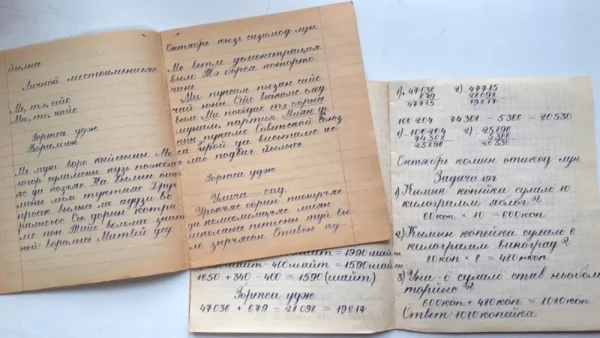
Komi Language and Writing Day celebrated by Komi Republic
On 17 May, the Republic of Komi celebrated Komi Language and Literature Day. The republic’s leaders congratulated the residents of Komi, emphasising the importance of the Komi language and noting that the celebration was part of the Year of Ethnic Unity proclaimed by the President of Russia.
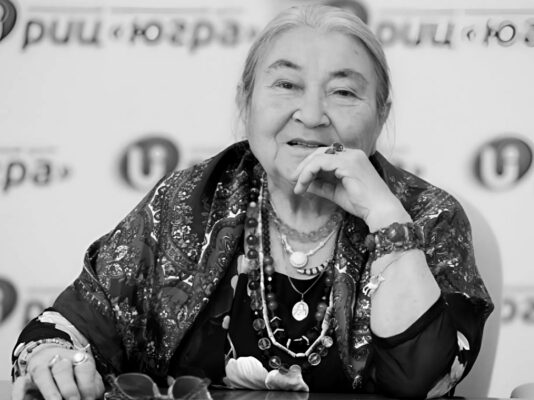
In memoriam Maria Voldina (1936-2026)
The first Khanty poetess and female journalist, Maria Voldina (Vagatova, 28 December 1936 – 15 February 2026), has passed away. She devoted her entire life …
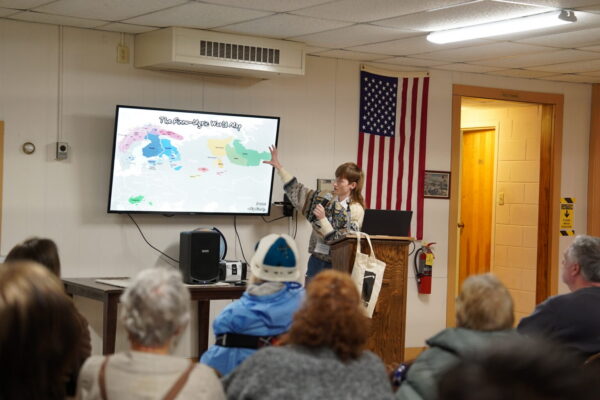
Hancock 2026 opening ceremony: aftermath
The year of the 2026 Finno-Ugric Capital of Culture was opened in Hancock, Michigan on 24 January 2026.
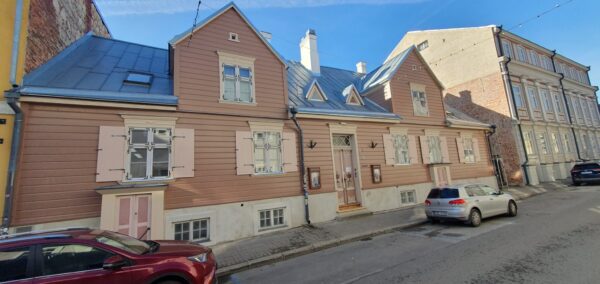
New Ainola Centre opened in Tartu
The Tartu branch of the Finnish Institute has move to Tampere House at the beginning of this year, turning the building into a broader centre for Finnish culture. At the beginning of 2026, the Ainola Centre has begun operating there.

Hancock, the 2026 Finno-Ugric Capital of Culture, unveils logo and preliminary programme
On 21 June, Narva – the 2025 Finno-Ugric Capital of Culture – announced the 2026 Finno-Ugric Capital of Culture, which will be Hancock, Michigan, USA.According …
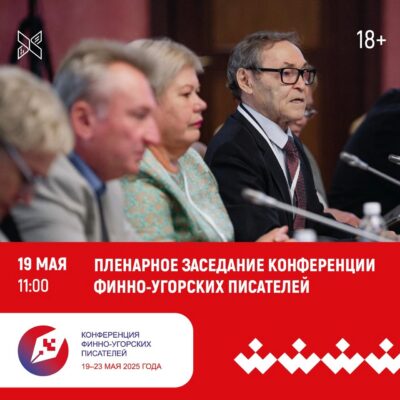
III Conference of Finno-Ugric Writers took place in Khanty-Mansiysk
The conference took place on 19-23 May and was expected to attract nearly 200 participants: writers, publishers, literary scholars, linguists, librarians, ethnologists. All the Finno-Ugric …
Open call for Kindred Peoples’ Literary Award 2024
The aim of the award is to recognise the work of authors or translators of the literature of kindred peoples without their own statehood. The …
Finno-Ugrian days return this October
The festival reaches its apex on the third Saturday of October – this year on October 15th – the day that the national flags of Estonia fly in honour of our fellow kindred peoples living all around the world.
Finnish town Kuhmo selected as Finno-Ugric Capital of Culture 2023
This marks the first time that the Finno-Ugric Capital of Culture will be located in Finland. Kuhmo expects the title to boost cultural tourism in the region and to support the preservation and revitalization of languages and cultural heritage across the wider Finno-Ugric world.