
News
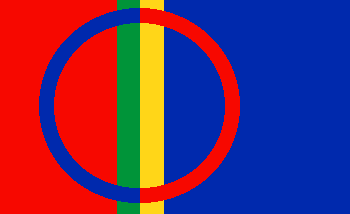
Saami National Day
On 6 February 1917, the Saami living in the Nordic countries began their political cross-border cooperation. The day was designated as the Saami National Day in 1992.
The Ethnic Science Award goes to linguist and anthropologist Roza Laptander
The Kindred Peoples’ Programme’s Ethnic Science Award goes to linguist and anthropologist Roza Laptander for her research on the silence of the Nenets.
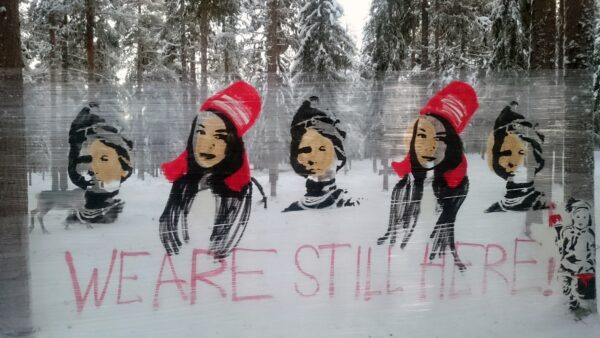
The Nordic Pavilion Becomes the First Sámi Pavilion
For the first time, only Sámi artists will be presented in a national pavilion at the Venice Biennale, and for the first time, the Sámi will be recognised as a nation in a pavilion that bears their name.
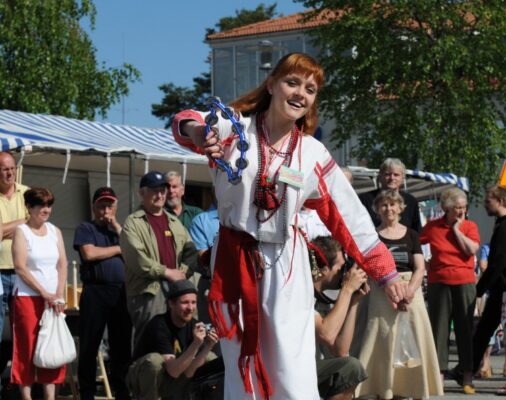
Finnish town Kuhmo selected as Finno-Ugric Capital of Culture 2023
This marks the first time that the Finno-Ugric Capital of Culture will be located in Finland. Kuhmo expects the title to boost cultural tourism in the region and to support the preservation and revitalization of languages and cultural heritage across the wider Finno-Ugric world.
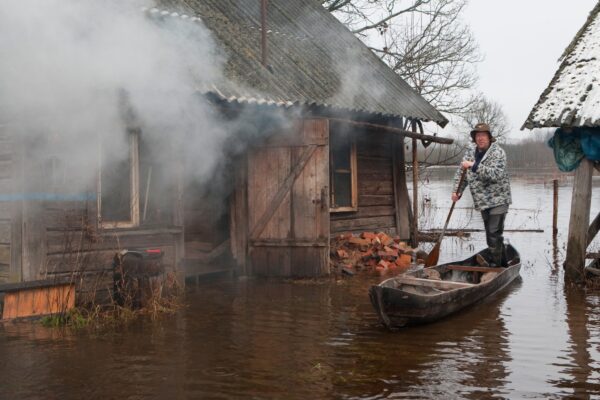
Estonia's Soomaa region dugout boat culture added to UNESCO protection list
This is Estonia's fifth entry on the Intangible Cultural Heritage list and the first which is described as urgently in need of safeguarding.
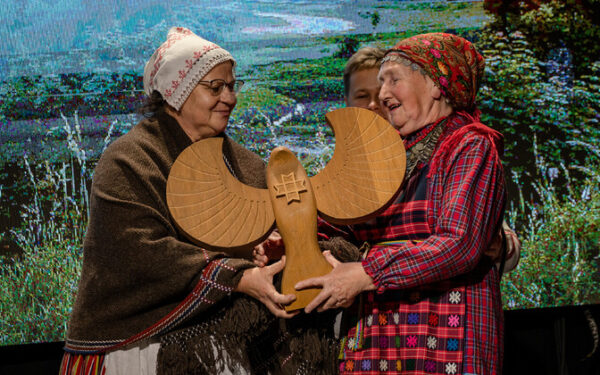
Mulgimaa passes on the title of Finno-Ugric Capital of Culture to Udmurtia
At the closing ceremony of the Finno-Ugric Year of Culture, participants will be addressed by President Toomas Hendrik Ilves and Minister of Culture Tiit Terik.
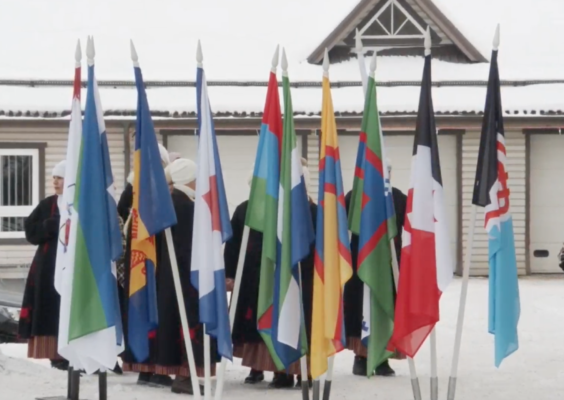
Mulgimaa passes on the title of Finno-Ugric Capital of Culture to Udmurtia
The year of Abja-Paluoja, the historic capital of Mulgimaa, as the Finno-Ugric Capital of Culture, is drawing to a close. On 27 November, the baton …
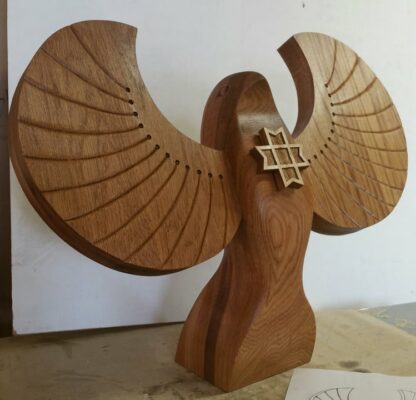
Finno-Ugric Capital of Culture 2023 Competition Begins
Thematic focus of the competition continues to be the upcoming International Decade of Indigenous Languages 2022-2032. Winner of the competition will be announced on January 14, 2022, in Otepää (Estonia).
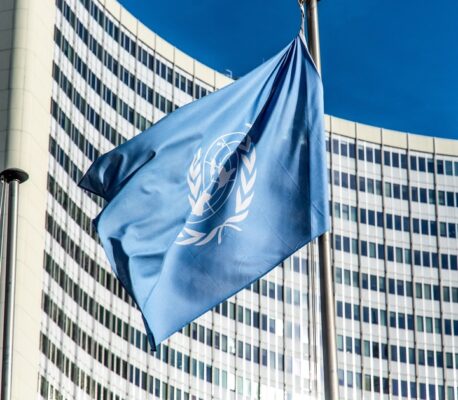
International Day of the World’s Indigenous Peoples 2021
That is why the 2021 theme is “Leaving no one behind: Indigenous peoples and the call for a new social contract.” But, what does it mean?
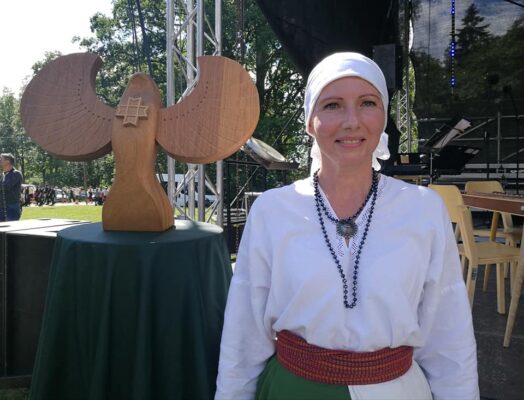
Video and photos: Abja-Paluoja celebrated with the Finno-Ugric peoples at the Mulgi party
According to Ave Grenberg, the main organizer of the party, the title of Finno-Ugric Capital of Culture awarded to Abja-Paluoja has significantly increased both national …
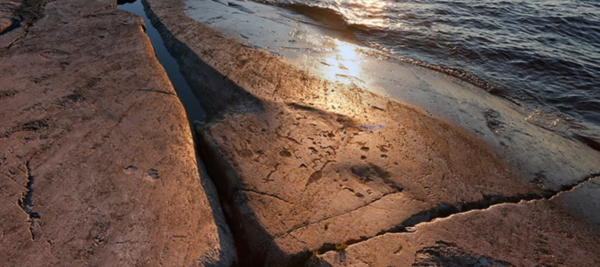
World Heritage Committee inscribes four cultural and one natural site on UNESCO’s World Heritage List
These additions were made during the extended 44th session of the World Heritage Committee held online and chaired from Fuzhou (China), which is examining nominations from both 2020 and 2021.
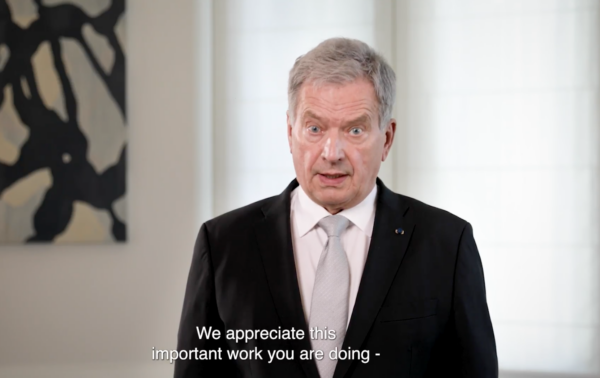
Video greeting from President of the Republic Sauli Niinistö
Video greeting from President of the Republic Sauli Niinistö to the World Congress of Finno-Ugric Peoples held on 16–18 June 2021 Honourable representatives of Finno-Ugric …