Fenno-Ugria summer school 2026: identity and exile, what can we do?
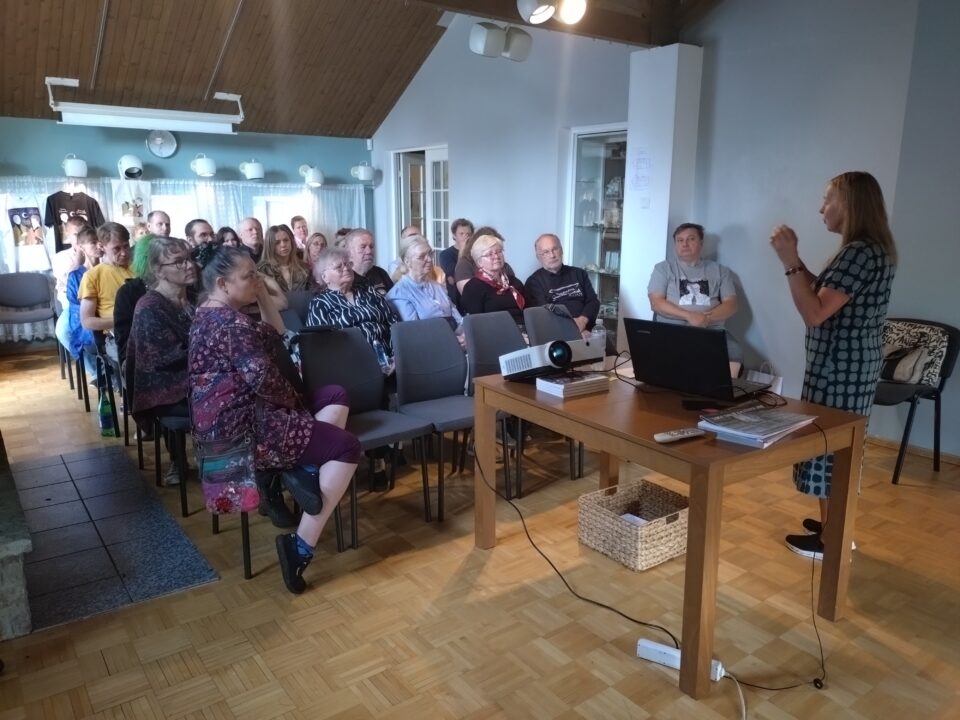
Fenno-Ugria summer school this year, ‘Identity and Exile: What Can We Do?’, was held at the Rannaliiv Hotel in Võsu from 28–30 August. The event offered a multifaceted and in-depth insight into the history of the Finno-Ugric peoples, including the Finnic peoples, their linguistic preservation and the cultural challenges they face in today’s changing world. Spread over two days, the presentations and discussions interwove academic research with direct, personal accounts, creating a comprehensive picture of the survival strategies of small nations and communities.
First day
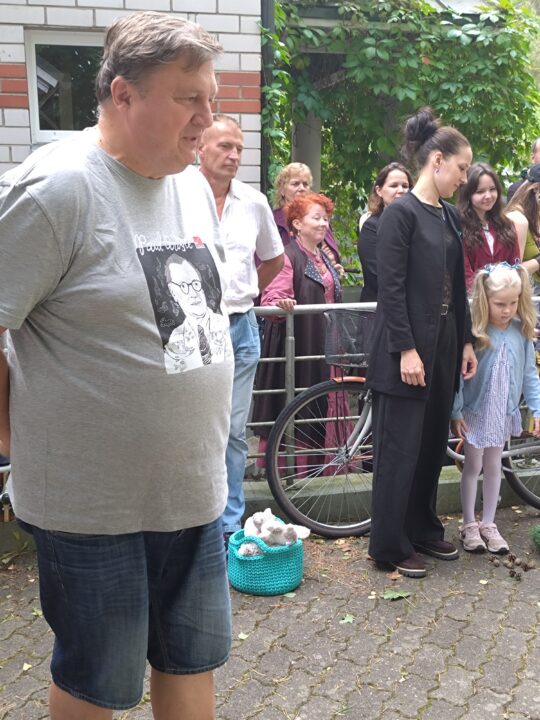
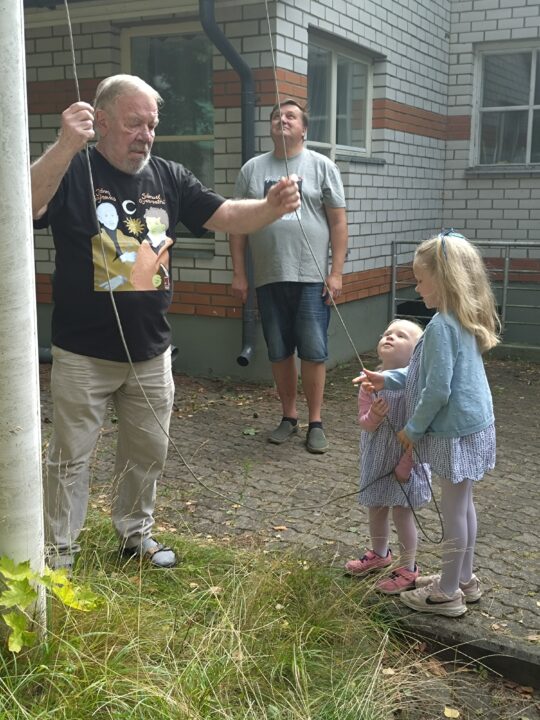
The seminar was opened by Riina Laanetu from the Rannakeel Centre, a non-profit organisation, who gave an introduction to the local coastal dialect and people of Northern Estonia. The presentation covered the centre’s practical activities, the distinctive features of the coastal dialect, its historical development and its place in modern society, demonstrating how regional language varieties can be kept alive.
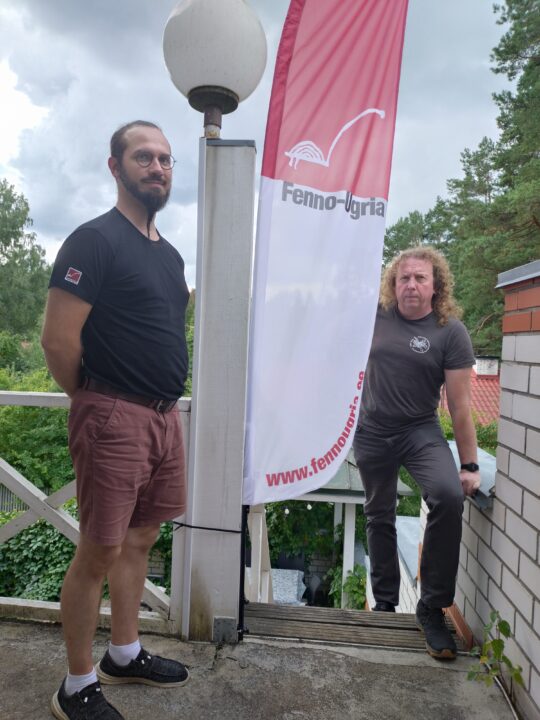
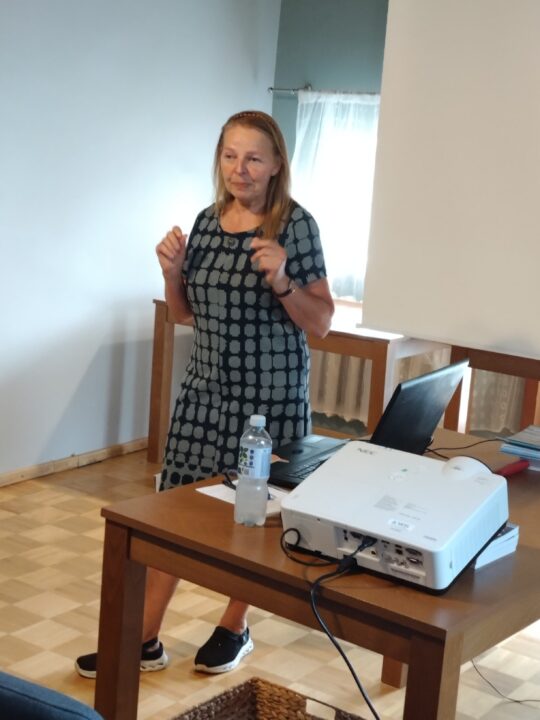
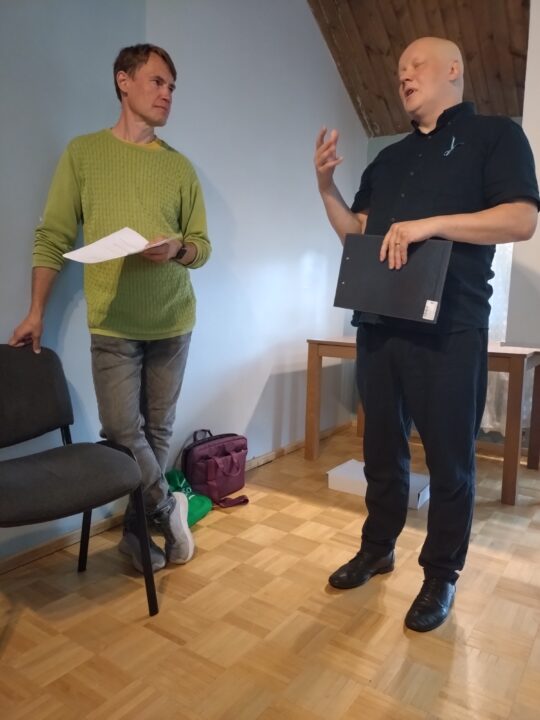
Photographer and musician Janis Mednis shared his unique family story in a talk entitled ‘My Livonian-Speaking Family, Which I Created’. Whilst also introducing his book for young children, Kūldaläpš (‘Golden Child’), Mednis spoke about how to raise a child in a native-language environment where almost no one else speaks that language.
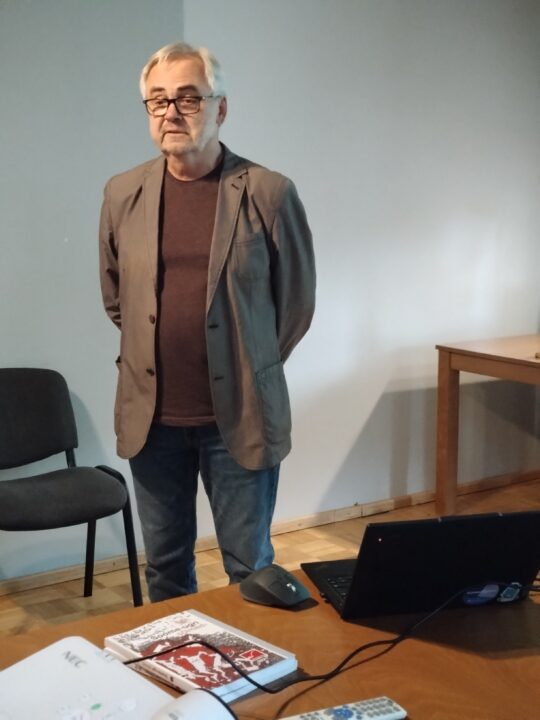
Academician and archaeologist Valter Lang (University of Tartu) delivered a comprehensive academic presentation based on his work Läänemeresoome tulemised (Finnic be-comings). Drawing on the latest archaeological discoveries and research, Lang analysed the development of the Finnic settlement on the territory of present-day Estonia. His presentation sought answers to fundamental questions – how and when our ancestors arrived here.
Second day
The focus of the second day was on Estonian communities abroad and endangered ethnic groups.
The second day of the seminar began with a lecture by ethnologist Aivar Jürgenson (Estonian National Museum) entitled ‘The development of the Estonian diaspora, Estonian community life and organisations’. Jürgenson took the audience on a journey to distant countries such as Argentina and Brazil, explaining the reasons behind the formation of Estonian communities and how they are maintained abroad. He discussed the functioning of Estonian Houses, societies, schools and other associations, as well as their funding models, which have enabled Estonian culture to endure across the globe.
Next to speak was Alevtina Soldatova Gongišt, a Veps woman, who presented her book and the master’s thesis on which it was based, ‘About Us Veps and More’, which she had defended at the University of Tartu. Drawing on her personal experience, she explored cultural contacts and conflicts in today’s world. The presentation was commented on by Madis Arukask, an associate professor of folklore at the University of Tartu, who supervised the master’s thesis, initiated the publication of the book and also translated the work.
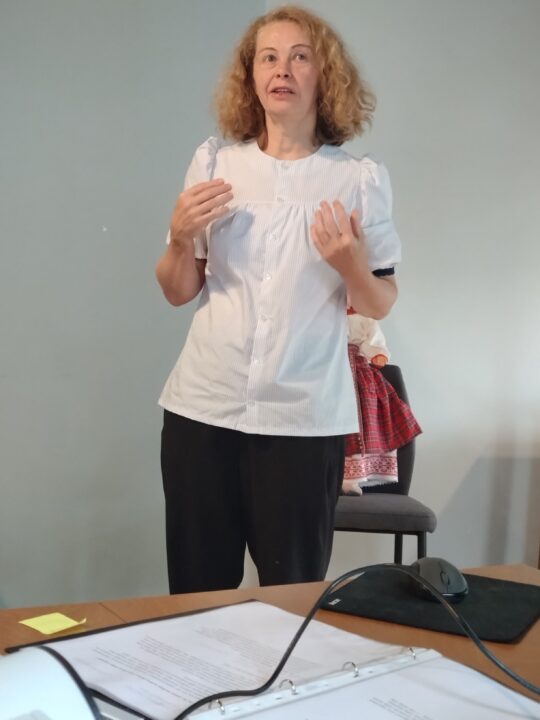
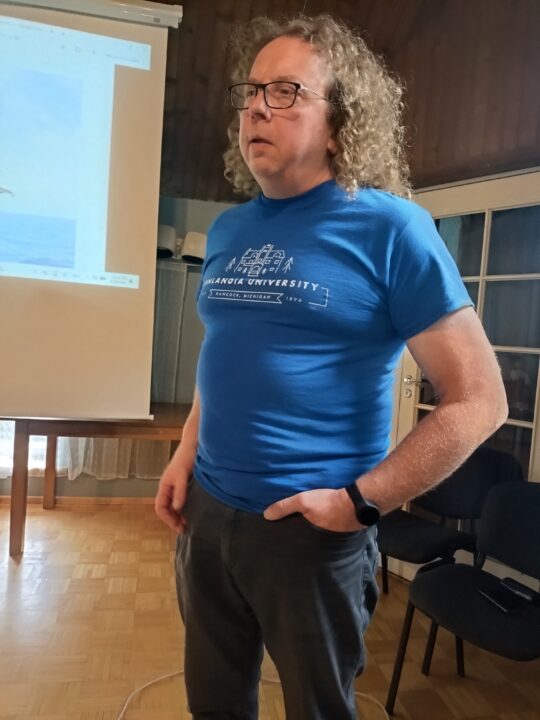
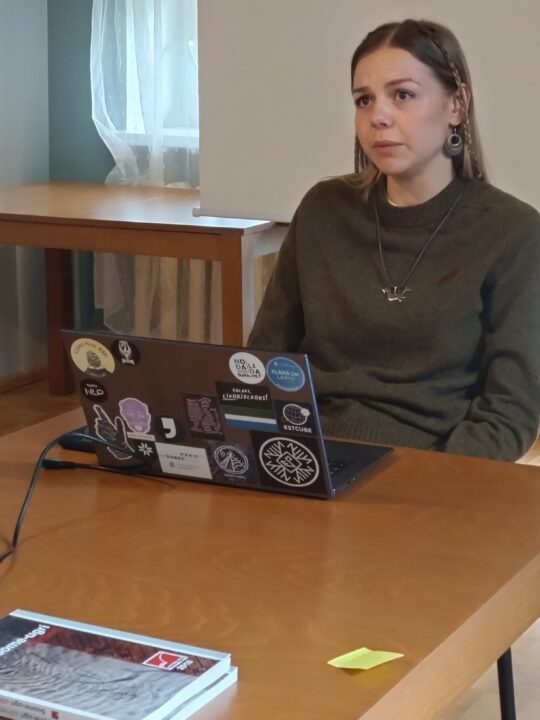
In the afternoon, Mari Aleksander Ryabchikov and Udmurt Valentina Nikolaeva – a mixed family whose four children speak the languages of both of these small ethnic groups – will share their extraordinary experience. Their practical advice and reflections on motivation show that passing on a language is possible even in the most challenging circumstances, provided the family has a shared goal and offers mutual support.
The seminar was concluded by Britt-Kathleen Mere, Chair of the NGO Hõimulõimed, who led a discussion on the future of the Finno-Ugric peoples. In an ever-faster and increasingly globalised world, we are collectively seeking answers to the question: what concrete steps can we take to support and preserve the cultural heritage of our kindred peoples?
Final day
On the third day of the summer school, an excursion took place in the vicinity of Võsu, introducing the coastal people and the coastal dialect, led by Riina Laanetu.
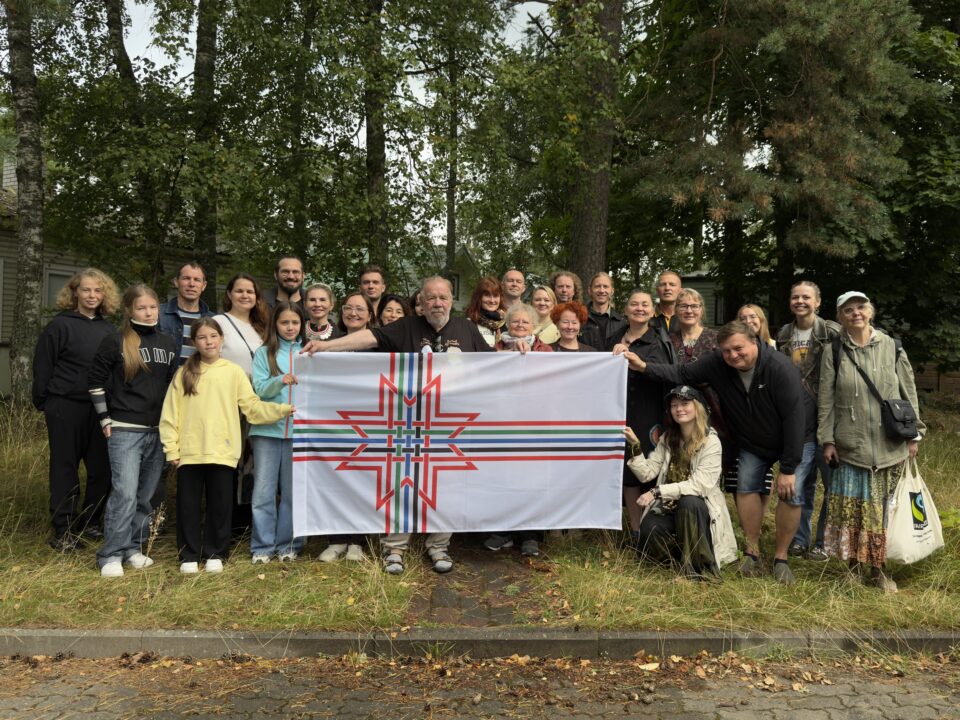
The Fenno-Ugria summer school formed an arc stretching from the past to the future: Valter Lang’s archaeological perspective laid the foundations – an understanding of where we come from. Other presentations brought the audience face to face with the challenges of everyday life in the present and the preservation of living languages, be it the moribund Livonian language, regional coastal dialects or the Finno-Ugric minorities in Russia. Aivar Jürgenson’s lecture broadened the picture of Estonian identity’s vitality from a global perspective, whilst the closing discussion led by Britt-Kathleen Mere looked to the future, offering a platform for joint action in preserving the Finno-Ugric cultural space.
FURTHER INFORMATION:
Jaak Prozes
jaak.prozes@fennougria.ee
Previous Fenno-Ugria’s summer schools: