Controversy over name of Tuvan order
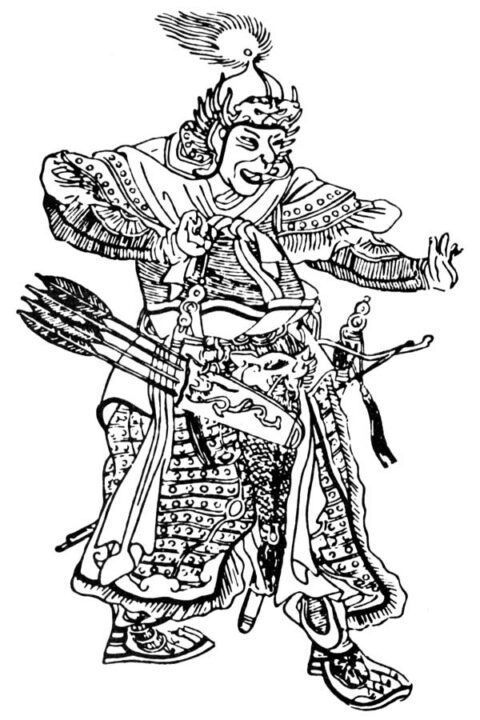
In Russia, the 19 May decision by the Tuva Legislative Assembly to establish a local order named after Genghis Khan’s military commander Subedei (also Subudei, Subutai, 1175–1248) has sparked considerable controversy. The Order of Subedei would be awarded to outstanding fighters from Tuva who defend their homeland—for example, the “heroes” of the Russia-Ukraine war.
Currently, however, there is increasing talk of this peculiar order, even at the federal level, because Subedei was a military commander who essentially conquered Russia. He captured all of Russia’s major cities—such as Vladimir, Rostov, and Kyiv—and won all the major open-field battles. The Mongol campaigns were bloody and brutal. “Since Subedei conquered and plundered Russia, the establishment of this order is more than inappropriate—it is a provocation by the Tuva deputies”, stated Vitaly Milonov, a deputy of the State Duma of the Russian Federation. Many commentators share Milonov’s view: an order bearing the name of a Russian plunderer and conqueror is entirely inappropriate.
Unfortunately, it is not entirely clear how one should view cooperation with the conquerors. For example, Prince Yaroslav (1191–1247), who Christianised the Karelians, went to Batu Khan, bowed his head, and was appointed leader of all the Russian princes and granted the right to collect taxes. A monument to Yaroslav has been erected in the town of Sortavala in Karelia, which was conquered from Finland during the Winter War. But who was he, a hero or a collaborator, the journalist asks. Yaroslav’s son, Alexander Nevsky (1220–1263), visited the khans on several occasions, and if Russian chronicles are to be believed, he essentially became a brother to Batu Khan’s son. Alexander was a diligent tax collector, and when a conflict arose between him and his brother Andrei, the Mongols placed their army at Nevsky’s disposal, which then ravaged Russia. The debate over how to view monuments dedicated to princes—and how the Order of Subedei appears in this light—continues.