Report on Finno-Ugric peoples in Russia presented to Estonian Foreign Ministry
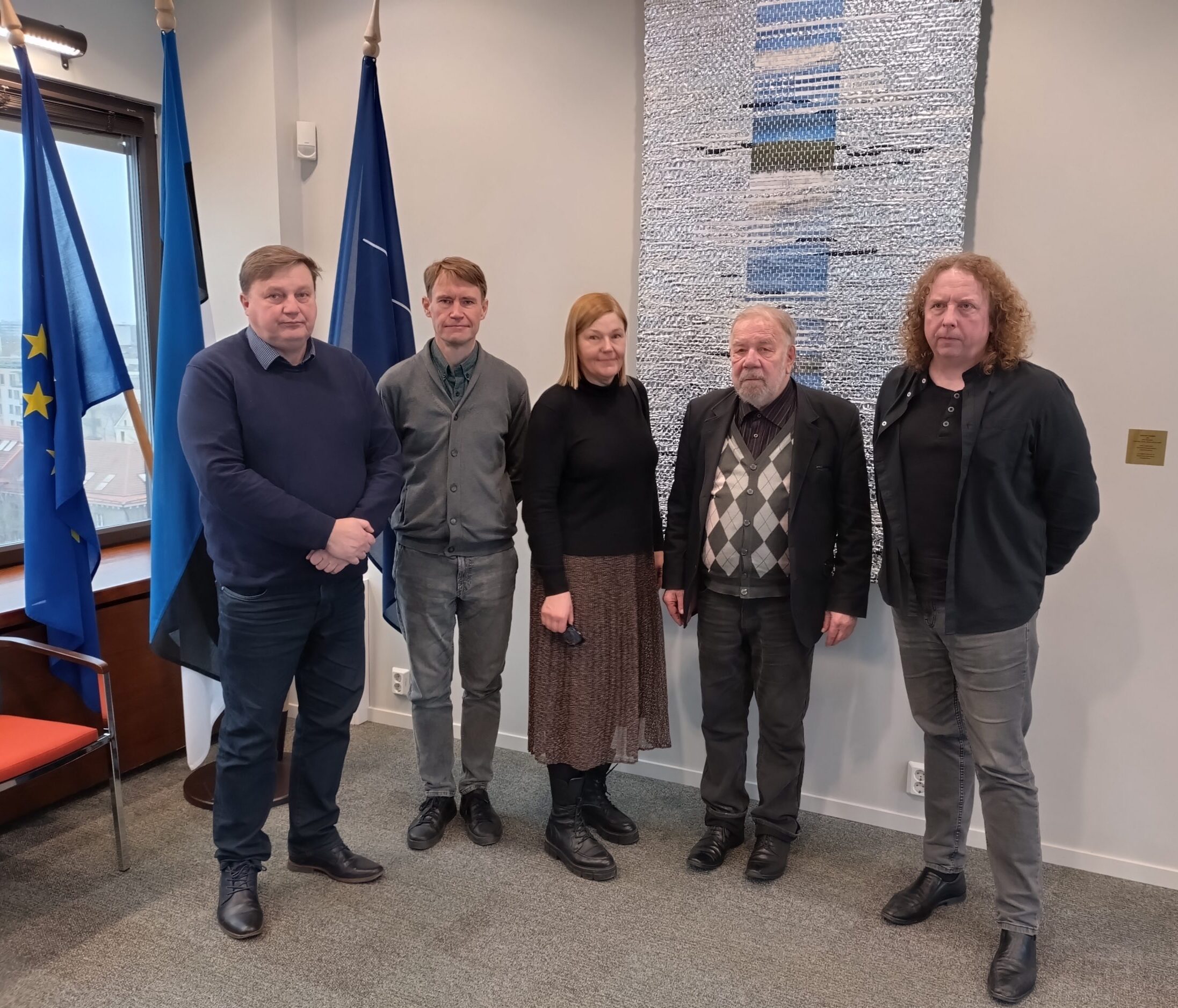
On 17 March, Fenno-Ugria presented a report it had been commissioned by the Ministry of Foreign Affairs of Estonia. The report is titled “The Situation of Finno-Ugric Peoples in Russia 2022–2024/25” and it was presented at the Ministry of Foreign Affairs.
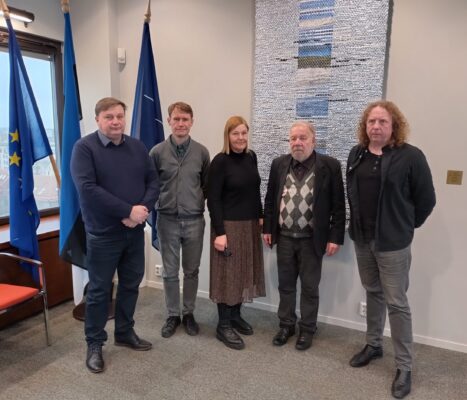
The report was compiled and edited by Fenno-Ugria Director Barbi Pilvre. Authors of the report are: Fenno-Ugria Adviser Jaak Prozes, Chairman of the Board and folklorist Madis Arukask, Board Member and linguist Sven-Erik Soosaar, and Vasily Nikolayev, editor of the Mari news portal MariUver.
The meeting was opened by Imar Y. Koutchoukali, Research Adviser at the Ministry of Foreign Affairs. Following the presentation, political scientist Kadri Liik gave a detailed presentation on Russian regional policy.
The hall on the 10th floor was packed, and a brief discussion also took place.
Summary of the report
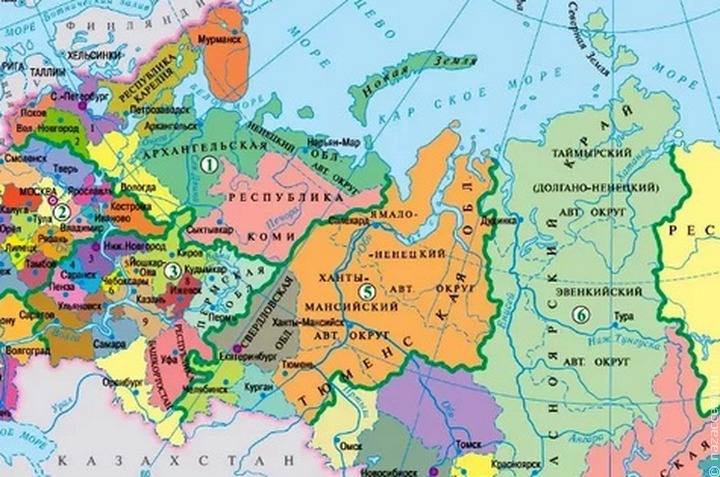
There are approximately 1.7 million representatives of Finno-Ugric ethnic groups living in Russia, of whom only about 1 million consider their native language to be their mother tongue. The Finno-Ugric peoples are scattered, and the Russian-speaking population dominates within the borders of their autonomous regions. Language learning has been optional since 2018, which has led to a decline in native language proficiency.
Language technology support is best for the Mari, Udmurt, and Komi languages, but in general, the corpora are small. The languages of smaller ethnic groups are in particularly poor condition. Assimilation is accelerated by the exclusion of national languages from education and society.
In 2022, Russia began a mobilisation, involving many minority groups. Ethnic battalions were formed, emphasising cultural symbols. The army is seen as a path to manhood and social advancement. The average wage is low, but military service offers high pay.
Finno-Ugric organisations are under state control. Ethnic events and celebrations are subject to the ideology of Russian unity and military themes. In recent years, external contacts have been severed, and the focus is on strengthening central authority. Just as cultural exchanges with Russia have been severed on the Estonian side, international Finno-Ugric cooperation has also been declared politicised and obstructed by Russia.
To avoid undermining the Finno-Ugric movement in Russia, Fenno-Ugria is prepared to restore relations to the extent possible after the war ends.
Read the full Estonian-language report here.
FURTHER INFORMATION:
Barbi Pilvre, Jaak Prozes
info@fennougria.ee