♫ 2026

Finnish-Ugric artists will take to the stage at Tallinn Music Week: Estonians, Setos, Finns, Saami, Udmurts, and musicians from Hungary.
The spectrum of musical styles is wide: traditional folk songs and folk music, experimental electronic music and dance music with Balkan influences will all be heard.
Most of the performers are united by their Finno-Ugric cultural background, which is expressed in Finno-Ugric songs or a unique musical language.
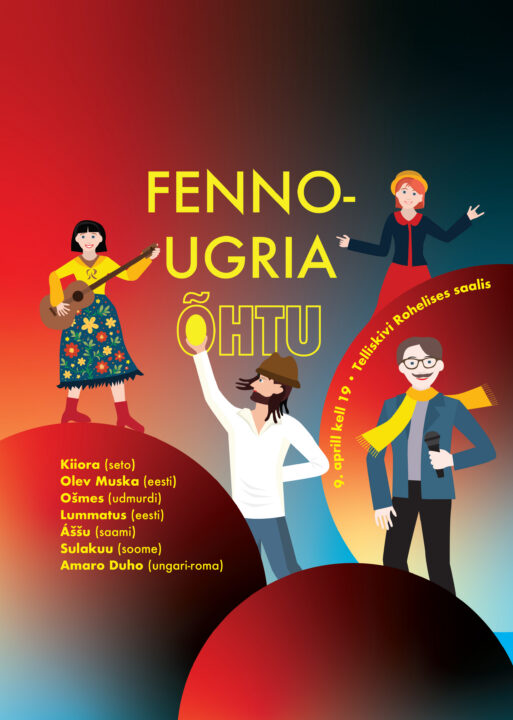
Fenno-Ugria Night
When? 9 April 2026, 7 pm
Where? Roheline Saal (Telliskivi 60a/5, 10149 Tallinn)
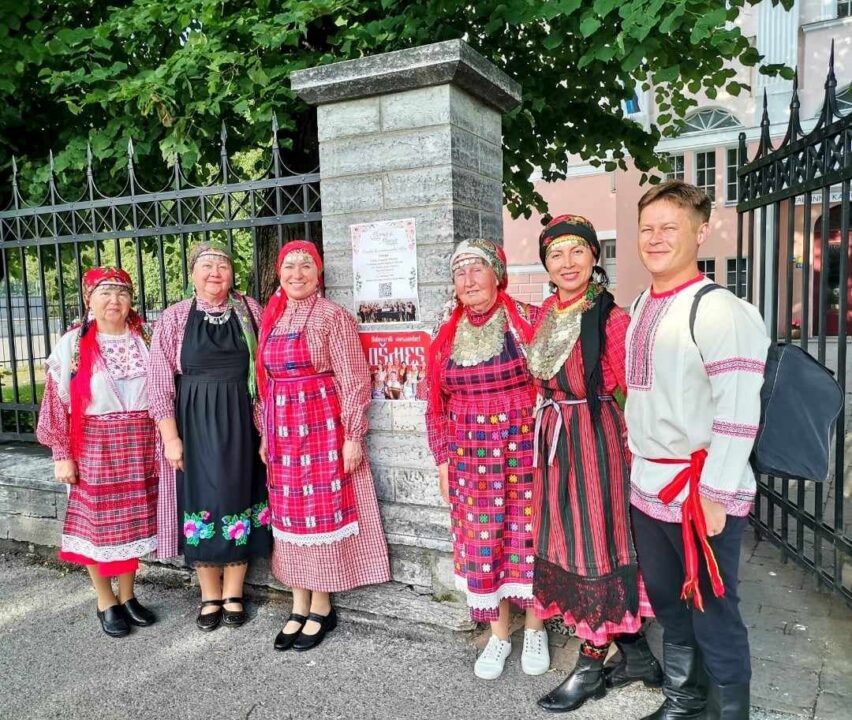
The traditional music ensemble Oshmes (‘source’) was founded in Tallinn in 2013 with the aim of preserving and maintaining the language and culture of the local Udmurts and singing the songs of their ancestors. The ensemble’s repertoire includes authentic Udmurt folk songs, accompanied by the garmoshka.
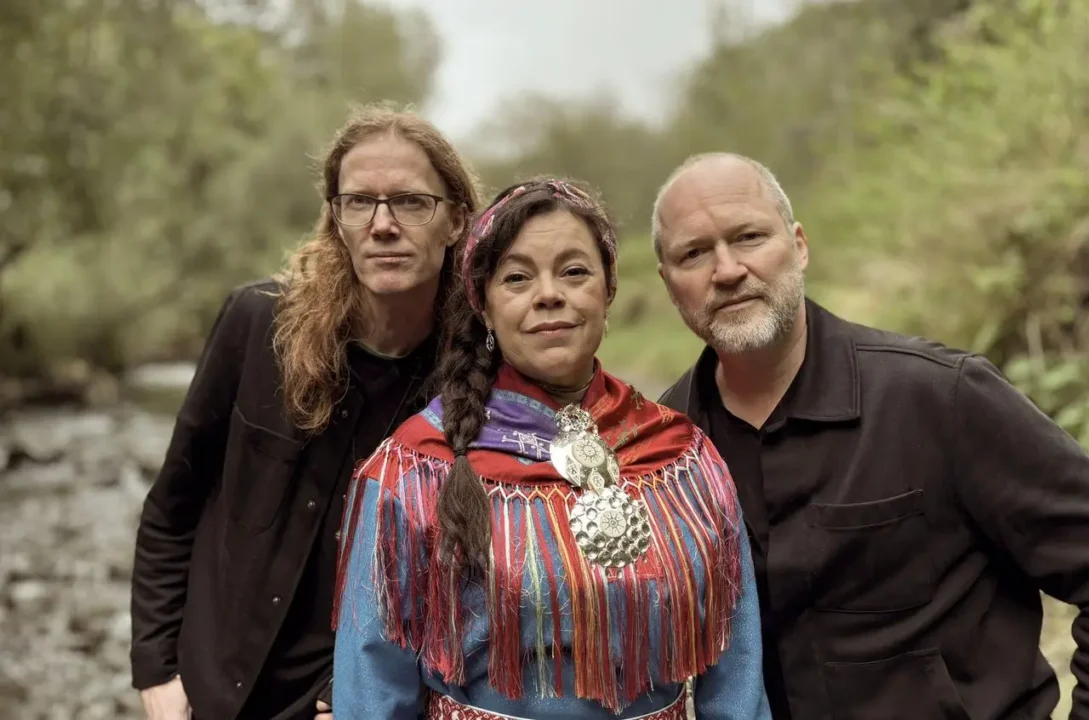
Áššu is a vibrant trio known for their music inspired by traditional North Saami yoik singing. Ulla Pirttijärvi, a recognised figure in the Saami music scene, has left her mark all over the world. Kenneth Ekornes and Olav Torget have proven themselves as experienced and exploratory musicians in the jazz and world music arena, collaborating with artists such as Mari Boine, Solo Cissokho, and Karl Seglem. Áššu (‘glowing coal’) performs traditional yoik and Ulla Pirttijärvi’s original compositions. Olav has extensive experience from West Africa, while Kenneth has experience from Brazil. This diverse geographical axis is the cornerstone of Áššu’s musical direction, where primal rhythms meet exotic atmospheres.
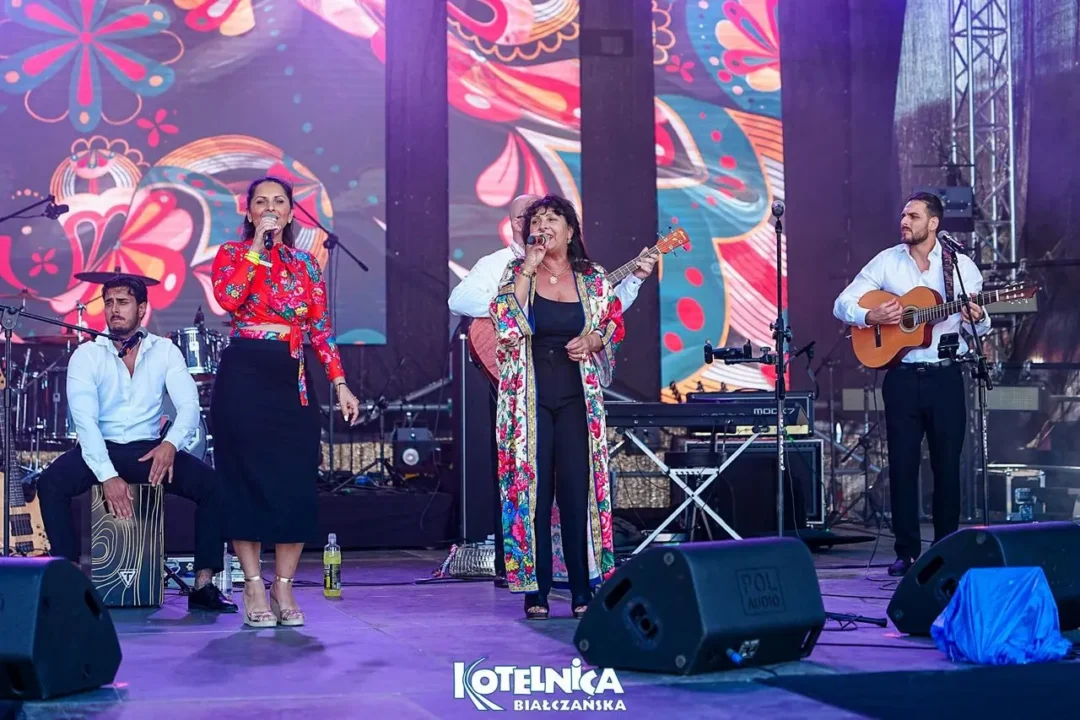
Amaro Duho was founded in 2021 by Matild Dobi, who is also the co-founder of one of Hungary’s most famous authentic gypsy music ensembles, the legendary Ando Drom. After five albums, more than 1,000 concerts and decades of work on projects such as Romano Drom, Ólah Gipsy Beats, and the gypsy musical Somnakaj, Matild fulfilled her dream of creating a family ensemble with her children, passing on her musical experience and Roma cultural values to them.
The family ensemble, called Amaro Duho (‘Our Soul’), performs traditional Hungarian Oláh Gypsy music. Together, they create a captivating fusion of traditions, spiced with their own melodies and ideas, resulting in a unique, unmistakable sound. They welcome you with love. Since its inception, Amaro Duho has performed at numerous festivals and clubs in Hungary and abroad, including Budapest Ritmo (HU), A to JazZ (BG), Goulash Disko (HR), Mumush (RO), LADO (CR), and Kotelnica Festival (PL).
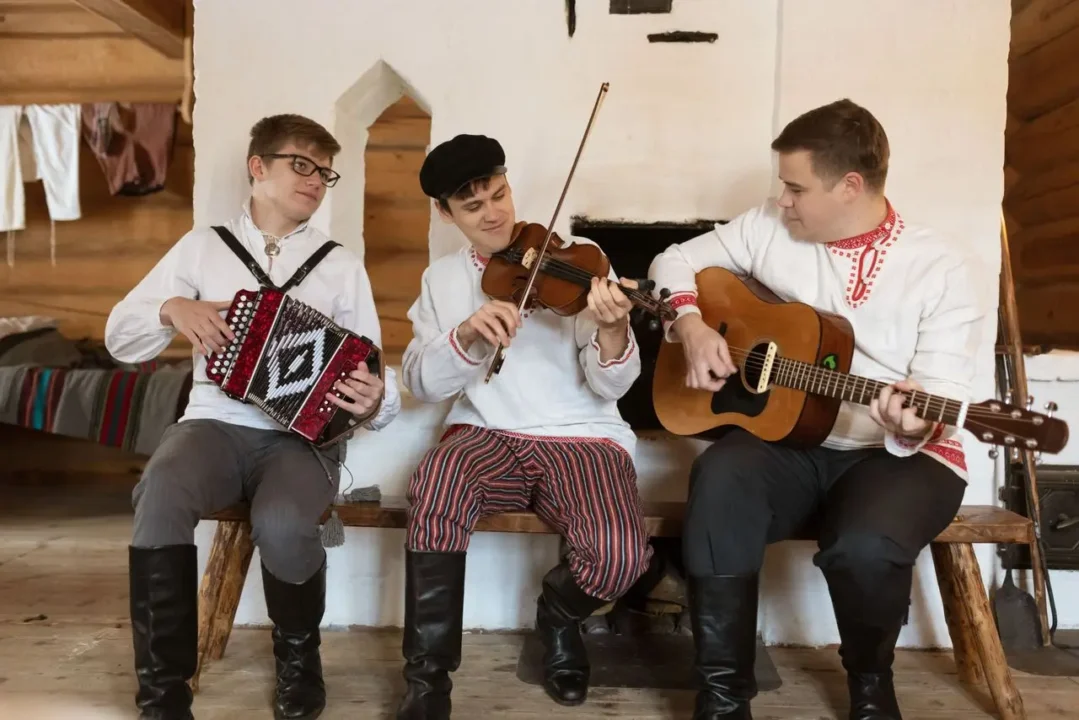
Kiiora is an ensemble inspired by Seto and Finno-Ugric music. Their repertoire includes songs from Estonia, neighbouring countries, and a number of traditional compositions, which have earned them the nickname särtsbänd (‘sparkling band’). So it doesn’t matter whether a song was written yesterday or a century ago, came from their own heads or from the village of Uusvada, their lively music is always equally captivating!
Kiiora is now a 15-year-old band and during that time they have introduced traditional music all over Europe. At the last Estonian Dance Festival in 2025, almost 10% of the songs were theirs! Kiiora consists of Matis Leima (violin and garmoshka), Mihkel Sildoja (garmoshka), and Laurits Leima (guitar).
Sulakuu is one and a half bands in one. During recording periods, project members contribute from Northern Europe, North America, and Asia, but the band is based in Tampere, Finland. Sulakuu writes and records music in Finnish, and occasionally in Estonian and Karelian. Starting in 2026, the band members will begin using a ‘mixed language’ (segasukukieli) of their own creation – a language common to the Baltic-Finnic languages that is understandable to all speakers of this language group. Musically, the ensemble describes its style as folk rock and always encourages audience participation, especially singing along. Thematically, the band’s work ranges from life, love, and everyday things to linguistic misunderstandings, meta-commentaries on the art of words, funny stories, and sad ballads.
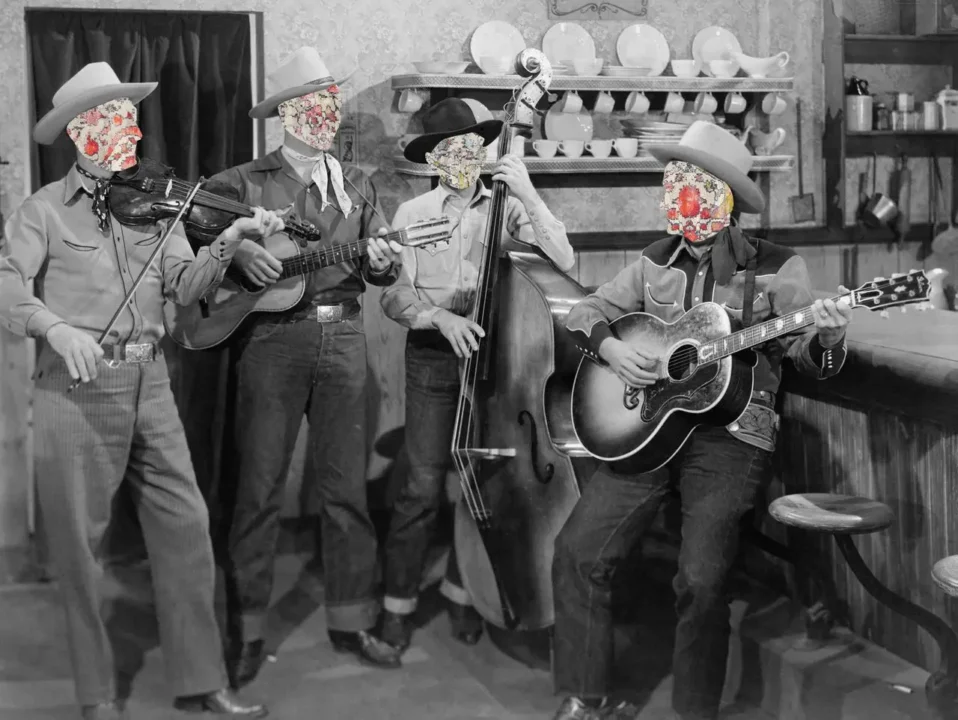
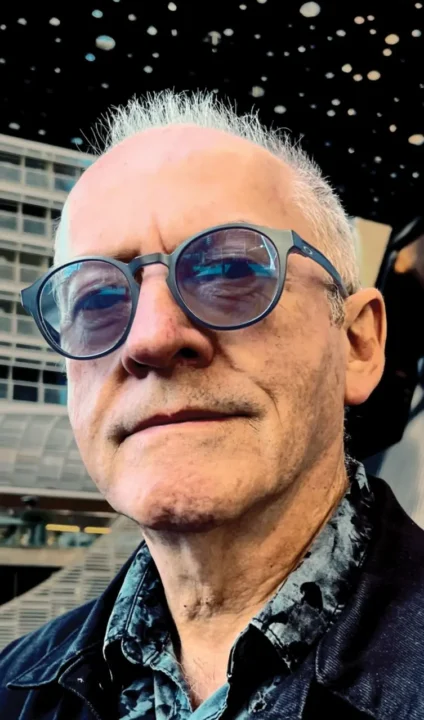
Olev Muska is an Australian-born and based Estonian composer and multimedia artist who has written his own chapter in Estonian music history. Known as the pioneer of Estonian electronic folk music, Olev has been creating bold and playful reinterpretations of traditional songs since the late 1970s.
In 1980, he released Estonia’s first fully electronic single, Tuljak!, and his 1985 vinyl record Old Estonian Waltzes is both the first fully electronic folk music album and the first electronic dance music record in Estonian history.
Combining experimental electronics with cultural commentary, his work encompasses music, design and film. Balancing synthpop, folk, and sound art elements, Muska is not afraid of irony or lyricism. His creative work embraces a diverse range of styles, incorporating arrangements from both Estonia and our Finno-Ugric relatives.
In 2025, Olev was one of ten recipients of the Estonian Cultural Endowment’s Music Endowment Recognition Award.
FURTHER INFORMATION:
Janno Zõbin, janno@fennougria.ee
Related events
Related news
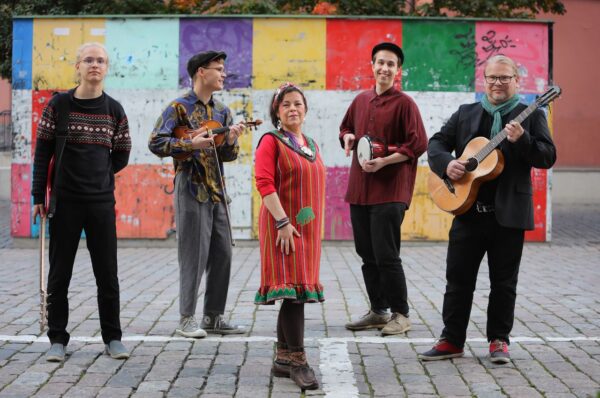
TMW 2021: Fenno-Ugria Night is coming in a week! Who is performing?
The night also represents a bridge between TMW and the Finno-Ugrian Days, an event that introduces Finno-Ugric peoples, set to take place in October.
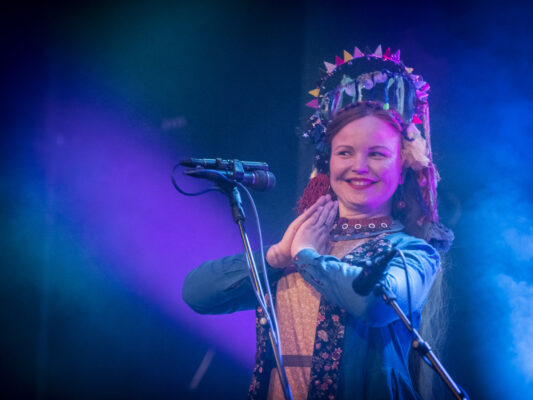
Videos of Fenno-Ugria Night showcase at Tallinn Music Week 2019
Fenno-Ugria is happy to publicize the videos of our performers at Fenno-Ugria Night showcase at the festival of tomorrows music, arts and ideas – Tallinn Music …
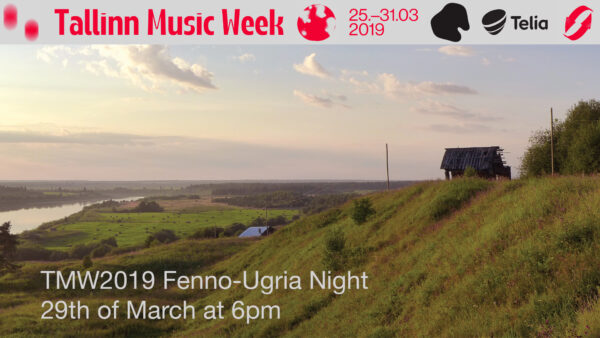
Fenno Ugria Night at Tallinn Music Week
For the 5th year Fenno Ugria hosts artists from the finno-ugric music scene at Tallinn Music Week 2019.