RAIPON renounces protection of indigenous activists
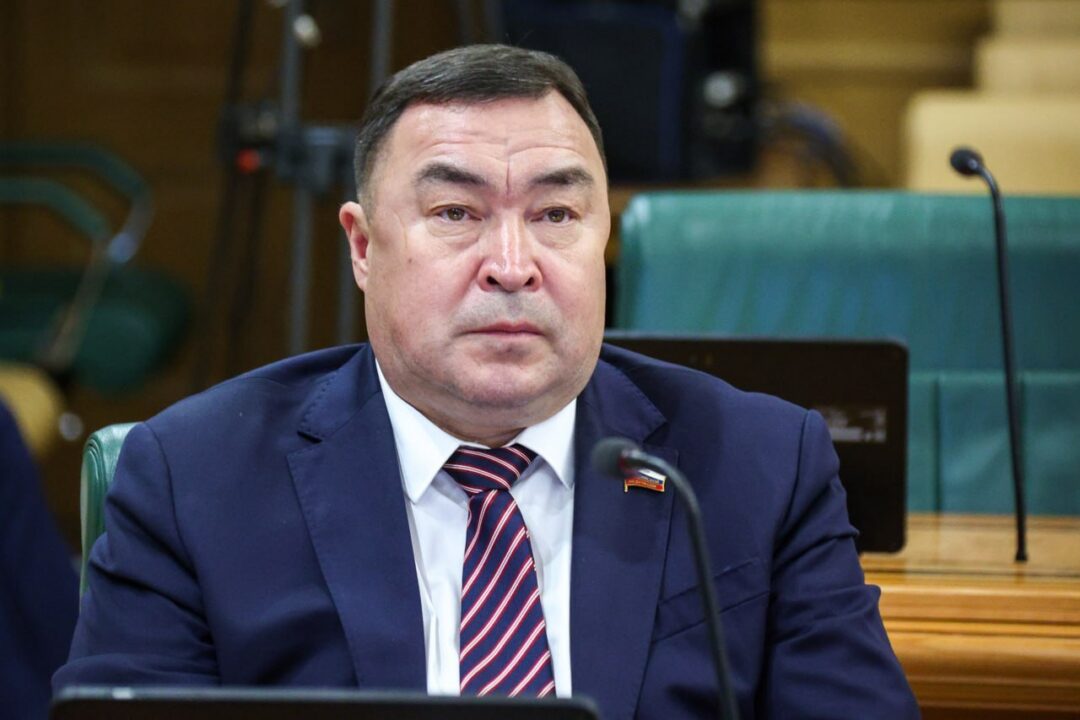
President of the Association of Small Indigenous Peoples of Russia (РАЙПОН), Alexander Novyukhov, denounces indigenous activists of Russia as extremists and defends the government’s actions against them.
Clearly, the Russian Federation is disturbed by the activities of indigenous peoples who use their international contacts to tell them the truth about Russia’s policy towards indigenous peoples. Representatives of these peoples have fled the Russian Federation and established their own organisations abroad. Such organisations are included in the Russian Federation’s lists of extremist and terrorist organisations, while the representatives of indigenous peoples who have fled are predominantly included in the list of foreign agents.
It has become a problem for Russia that these people have a voice in various UN commissions dealing with the lives of indigenous peoples, and they do not talk about how good life is in the Russian Federation. On the contrary, they criticise the current government, which does not care about indigenous peoples.
Persecution of indigenous activists
On 17 December 2025, searches were conducted at the homes of dozens of indigenous activists living in the Russian Federation. Selkup activist Daria Egereva was detained, and Saami activist Valentina Sovkina was forced to leave the country. Investigations have been launched against all of them.
After more than a month of silence, Alexander Novyukhov, president of the Association of Small Indigenous Peoples of Russia (РАЙПОН), made a statement on 28 January. The association itself is a staunchly pro-government representative organisation of indigenous peoples. RAIPON has approved Russia’s war in Ukraine and fully justifies the colonialist national policy of the superpower. We reproduce this statement here in somewhat condensed form.
Novyukhov’s statement
Novyukhov notes in his statement that RAIPON has done a great deal of work over the past 35 years to defend the rights of indigenous peoples. As a result, a number of laws have been adopted that recognise the rights of indigenous peoples, both collectively and individually. He affirms that the protection of indigenous peoples’ rights in Russia has been institutionalised in many ways. Representatives of indigenous peoples elected to state offices, and the association was formed democratically and is accountable to 40 peoples.
In this regard, the association has no moral right to protect people suspected of having ties to extremist organisations that are acting against Russia. In his view, these organisations have sought to change Russia’s constitutional order and destroy the state under the banner of “decolonisation”. Novyukhov notes that there is a lot of talk about the activities of these organisations on social media, where they slander Russia and wave Ukrainian flags. He believes that ties with such extremist organisations require legal assessment and cannot be justified by references to law enforcement or international activities: “In all countries, violations of the constitutional order relating to territorial sovereignty are considered a crime… Now, however, there is talk that the state authorities are criminalising the international human rights activities of indigenous activists.”
Novyukhov notes that indigenous peoples have developed freely within the Russian state for centuries. Despite the long and complicated history of their relations with the state, he believes that these peoples have preserved their numbers, traditional self-government institutions, culture, and language, and could serve as an example to many regions around the world.
Against international co-operation
Novyukhov confirms that the association is aware of those who hide behind law enforcement activities but push representatives of Russia’s indigenous peoples to cooperate with organisations that consist of only a few individuals living abroad and who, in his opinion, may also be well-known. Unfortunately, they have no mandate to speak on behalf of the indigenous peoples living in Russia and do not have the trust of the indigenous peoples, Novyukhov notes. According to him, the association has witnessed on several occasions how these people have used the international platform to spread slander about indigenous peoples’ organisations and their leaders living in Russia. They take advantage of the fact that the association has not been represented in international organisations for years and have thus gained a comfortable image as legitimate civic institutions of our peoples.
Novyukhov believes that the situation regarding the rights of indigenous peoples requires attention, but affirms that the association’s fundamental principles are the Constitution of the Russian Federation, the sovereignty of the Russian state, and territorial integrity. Novyukhov notes that the indigenous peoples of Russia do not support any actions that contradict this, but are united in protecting their homeland.
The statement calls for adherence to the principle of presumption of innocence, refraining from judgment and awaiting a fair court ruling. It affirms that the association understands the concerns of activists defending the rights of indigenous peoples in other countries, but that time and patience are needed. The association will monitor the situation and intervene if necessary, but for now it will continue to develop steadily, defending the constitutional rights of Russia’s indigenous peoples. The appeal ends with an exclamation: we must remember that we have only one Russia.
Reception of statement
The association’s leader’s statement has been heavily criticised by international indigenous organisations and activists. Instead of defending the seventeen indigenous representatives who are under investigation, the association and its leader have sought to justify the actions of the Russian state authorities.
But who is Alexander Novyukhov, who signed the appeal?
Alexander Novyukhov
Born in 1975, he is a social and political figure of the Khanty people. He has successfully combined his work in social and state institutions. From 2016 to 2021, he was a member of the State Duma of the Russian Federation. Since 2021, he has been a senator in the Federation Council of the Russian Federation. Before being elected to high-level central government bodies, he worked as an advisor to the deputy head of the government of the Khanty-Mansi Autonomous Okrug and headed the committee dealing with indigenous peoples’ issues in the okrug. From 2001 to 2016, he headed the district’s indigenous peoples’ association Spaseniye Yugry (Salvation of Yugra). From 2016 to 2025 he was vice-president of the Russian Indigenous Peoples’ Association. Since 2025, he has been its president.
Dmitry Berezhkov, editor-in-chief of the portal “Indigenous Peoples of Russia,” has said about him: “Alexander Novyukhov is a person who is directly responsible for the war in Ukraine and the deaths of hundreds of thousands of people, including thousands of representatives of indigenous peoples on both sides of the conflict — as a senator of the Federal Council who voted in favor of the war in 2022.”
Berezhkov adds that Novyukhov’s role did not end there: the leadership of the association, which included Novyukhov, adopted a separate statement supporting Putin’s war in Ukraine. “Now, however, this person, whose hands are stained with the blood of innocent people, women and children, his own compatriots, discusses the presumption of innocence and the fairness of decisions in his statement.” Berezhkov believes that Novyukhov has renounced his real mission, which is to protect the rights of indigenous peoples in Russia.
- BATANI: On RAIPON’s statement regarding the arrest of indigenous activists (03.02.2026, Indigenous Russia)
- Dmitry Berezhkov. Time of Scoundrels and Scoundrels (02.02.2026, Indigenous Russia)
- On the Statement of RAIPON Concerning the Arrest of Indigenous Activists A Note on Representation, Silence, and International Legitimacy (01.02.2026, Batani)
- Заявление Президента Ассоциации коренных малочисленных народов Севера, Сибири и Дальнего Востока Российской Федерации А.В. Новьюхова (28.01.2026 Raipon.info, in Russian)