Radygin on Mari social movement
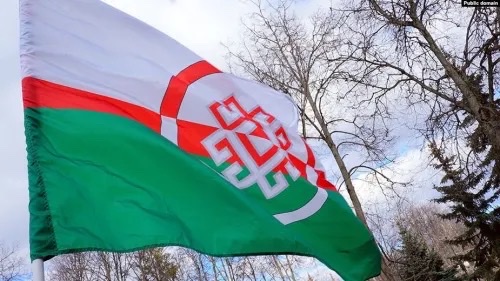
Chairman of All-Russian Mari Ushem (Mari Union) Anatoly Radygin explains the dynamics of the Mari social movement. The foundation of the All-Russian Mari movement is the Mari Ushem in Mari El.
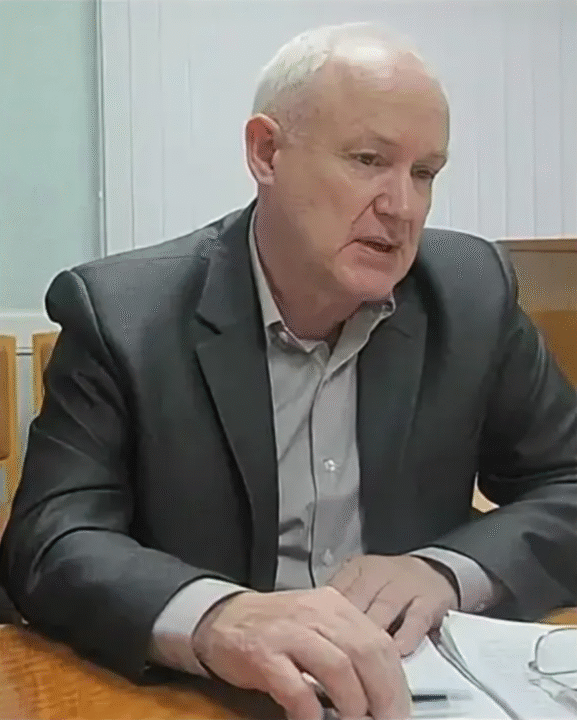
An interview with Anatoly Radygin on the Mari social movement was published recently on VKontakte. He is a long-time leader of the Mari people in the Udmurt Republic and current chairman of the nationwide movement Mari Ushem (Mari Union). Radygin is a lawyer by education and has been a member of the governing bodies of various Mari national organisations for 30 years.
Mari social movement
Radygin divides the current Mari national movement into three parts. Firstly, there is the Mari Council Mari mer kanash. It is led by Eduard Aleksandrov, a member of the State Council of the Republic of Mari El. The council is elected by the Mari People’s Congress. Secondly, there is the federal Mari cultural autonomy, which unites a dozen Mari organisations outside the Mari Republic. And thirdly, the Mari Ushem movement. He is particularly critical of the Mari cultural autonomy, which he believes has completely failed. It is headed by Larissa Yakovleva, a state official of the Republic of Mari El and deputy chair of the State Council of the Republic of Mari El.
Radygin believes that the federal Mari cultural autonomy has no independence whatsoever. The same is true of the Mari Council, which was created on the instructions of the state authorities and is intended to reduce the influence of Mari Ushem. Both organisations are essentially extensions of state power, according to Radygin. In his opinion, Mari Ushem is the only force that is independent of the authorities, as it collects donations and membership fees for its activities.
Mari movement in different republics
Radygin confirms to the journalist that Mari Ushem has always been under the special scrutiny of the state authorities. Authorities have criticised it for being incapable of doing anything other than criticising. However, in Radygin’s opinion, Mari Ushem organisations operating in various parts of Russia are achieving very good results. For example, Mari Ushem in Tatarstan has published a five-part book series about the Mari people of Tatarstan. The series has been funded without any support from the state budget. They also organise volleyball and chess tournaments in which only Mari participate. The village council of Aktazik in Tatarstan held a community meeting, which passed a resolution to oppose the establishment of a chemical waste storage facility. The Tatarstan leadership took into account the demands of the Mari community, which were supported by the village councils of five other Mari villages.
According to Radygin, Mari organisations in Udmurtia have joined forces to form a Mari council. Community village councils (yal kanash) have been established in Mari villages, where village activists discuss local issues in video meetings. In the village of Mariyskoye Gondyrevo, for example, the locals did not wait for help from the administration, but built two bridges with their own resources. Now, they are discussing the construction of a village pond. Mari Ushem organisations in the Yamal-Nenets and Khanty-Mansi autonomous districts are involved in language learning issues.
Contemporary challenges
Radygin considers language and education issues to be the biggest problems facing the Mari people. According to him, the situation regarding the teaching of the Mari language is critical. The number of people learning Mari as their mother tongue has fallen more than tenfold. For this, Radygin holds the government and State Duma deputies responsible, as they have allowed village schools to be closed. He expressed the opinion that the federal law on education adopted by the Russian State Duma should be reviewed. In order to preserve the Mari identity, Radygin believes it is necessary to revitalise the rural economy, which will also strengthen the villages. Without state support for rural life, young people are leaving villages and village schools are closing. “The activities of successful agricultural enterprises must be studied”, Radygin believes.