News

English newsletter!
Fenno-Ugria has started issuing an English-language newsletter. Subscribe to be up to date on the latest Finno-Ugric news!

Radygin on Mari social movement
Chairman of All-Russian Mari Ushem (Mari Union) Anatoly Radygin explains the dynamics of the Mari social movement. The foundation of the All-Russian Mari movement is the Mari Ushem in Mari El.
Competition for Finno-Ugric Capital of Culture 2027 begins
URALIC Centre (Estonia), in cooperation with Sukukansojen ystävät ry (Finland) announced the start of the competition for the title of Finno-Ugric Capital of Culture 2027. The special theme of the year 2027 will be 'Sustainable Finno-Ugric Tourism'. The winner of the competition will be announced on 20 June 2026 in Hancock (Michigan, USA).
In memoriam Maria Voldina (1936-2026)
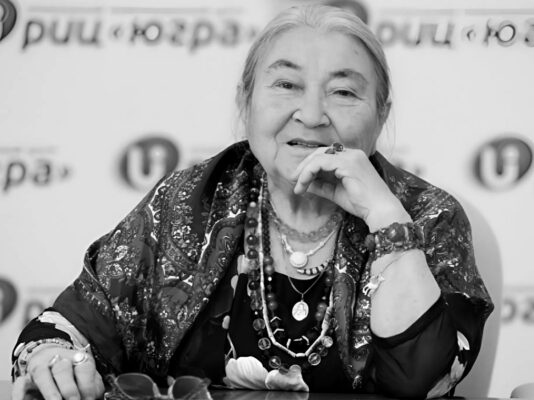
The first Khanty poetess and female journalist, Maria Voldina (Vagatova, 28 December 1936 – 15 February 2026), has passed away. She devoted her entire life …
Komi-Permyak Literary Language Day 2026
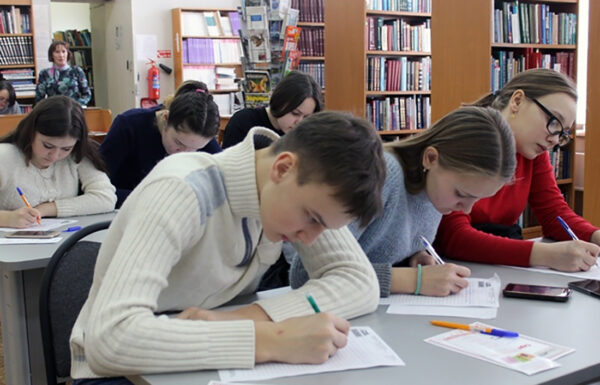
17 February is the Komi-Permyak Literary Language Day in the Russian Federation, celebrated since 2010. The purpose of this holiday is to popularise the Komi-Permyak language.
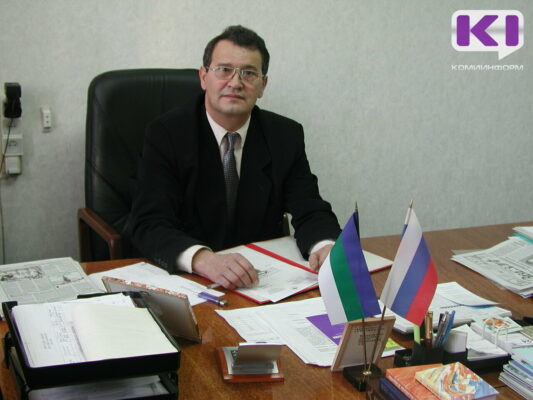
In memoriam Aleksei Beznosikov (1947-2026)
Aleksei Beznosikov (31 January 1947 – 14 February 2026), a public and political figure in the Komi Republic, has passed away. In the 1990s, he …
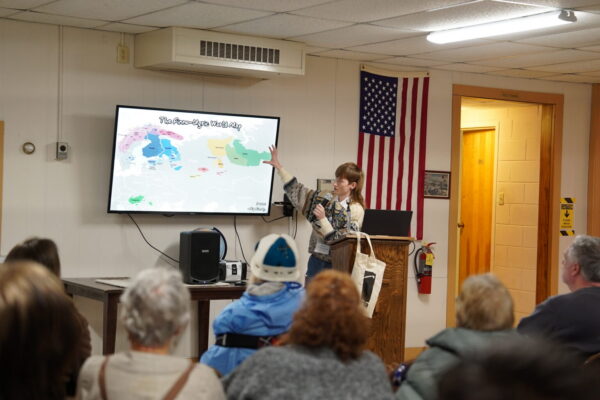
Hancock 2026 opening ceremony: aftermath
The year of the 2026 Finno-Ugric Capital of Culture was opened in Hancock, Michigan on 24 January 2026.
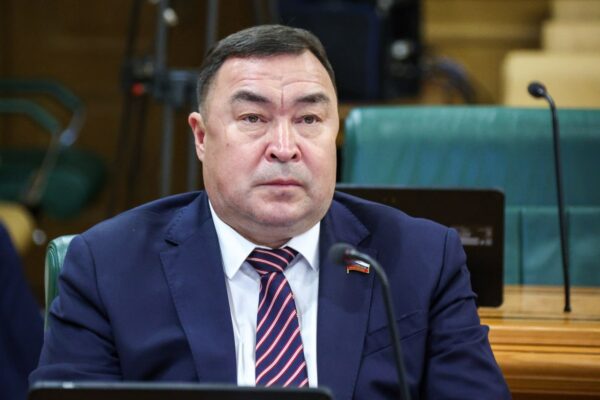
RAIPON renounces protection of indigenous activists
President of the Association of Small Indigenous Peoples of Russia (РАЙПОН), Alexander Novyukhov, denounces indigenous activists of Russia as extremists and defends the government's actions against them.
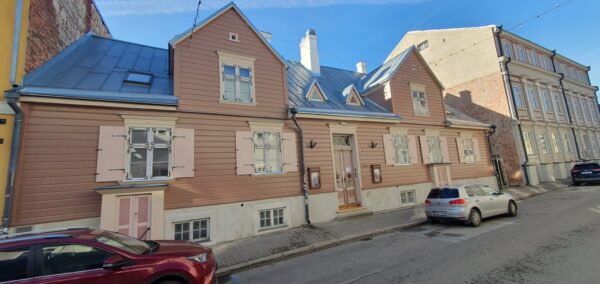
New Ainola Centre opened in Tartu
The Tartu branch of the Finnish Institute has move to Tampere House at the beginning of this year, turning the building into a broader centre for Finnish culture. At the beginning of 2026, the Ainola Centre has begun operating there.
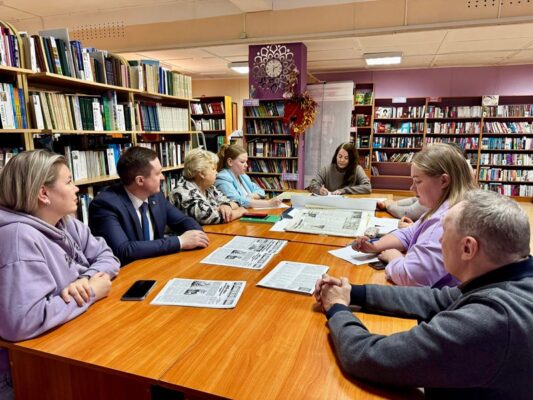
First Komi People's Congress 35 years ago
On 11-12 January 1991, the first Komi People's Congress was held. The Congress was attended by over 400 delegates and guests from all cities and districts of the republic. Also, representatives of the Komi people from the Murmansk, Arkhangelsk, and Tyumen oblasts, the Nenets and Komi-Permyak autonomous districts, the republics of Mari El and Udmurtia, and Moscow were present.
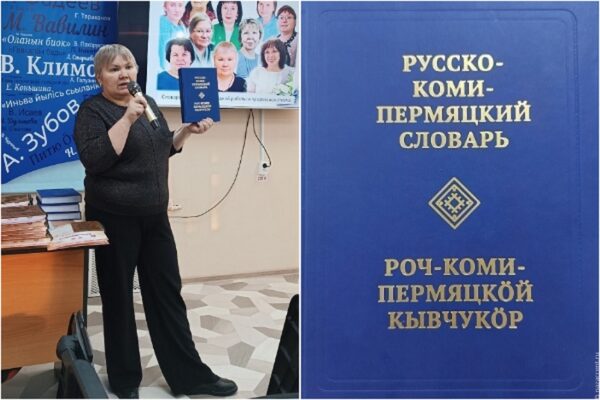
Russian-Komi-Permyak dictionary published
A new Russian-Komi-Permyak dictionary containing over 21,000 words was presented at the Komi-Permyak Institute for the Advancement of Education in Kudymkar. The last such dictionary …
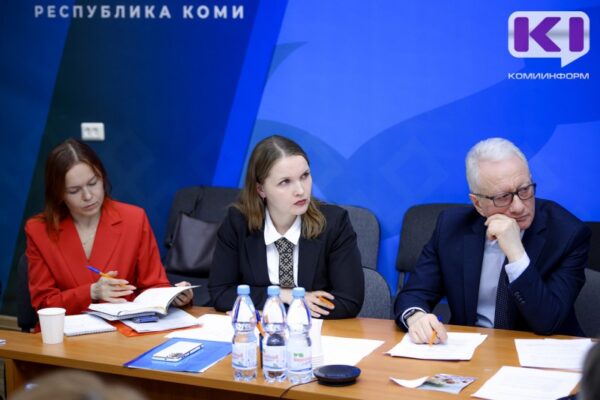
The Komi want Komi-language TV
Komi journalists and public figures believe that the license of the national television channel OTR (a Russian national television channel financed from the state budget) should be changed so that the channel would also broadcast programmes in the Komi language.