Competition for Finno-Ugric Capital of Culture 2027 begins
URALIC Centre (Estonia), in cooperation with Sukukansojen ystävät ry (Finland) announced the start of the competition for the title of Finno-Ugric Capital of Culture 2027. The special theme of the year 2027 will be ‘Sustainable Finno-Ugric Tourism’. The winner of the competition will be announced on 20 June 2026 in Hancock (Michigan, USA).

For the competition of Finno-Ugric Capital of Culture 2027, villages, towns and cities from any country or region with significant Finno-Ugric populations (both traditional territories of Finno-Ugric peoples and locations with significant Finno-Ugric diasporas) are eligible to apply.
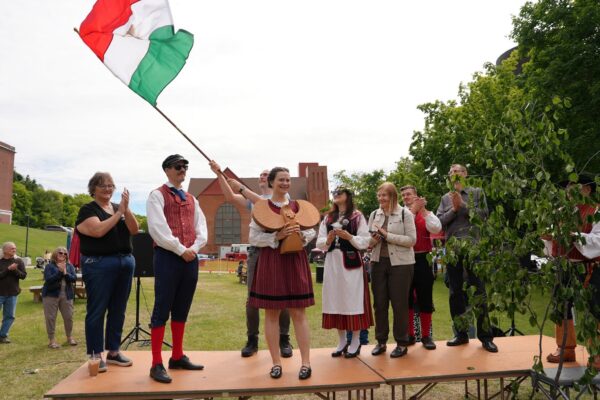
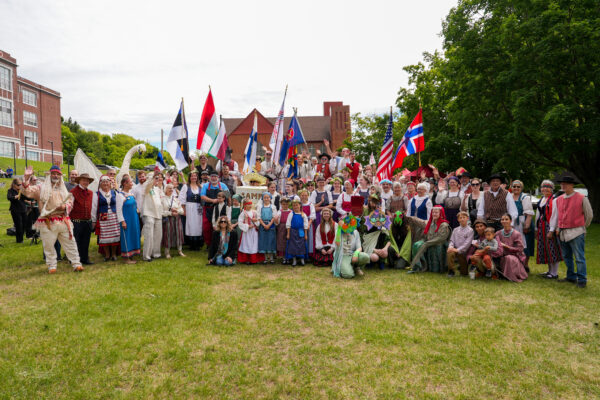
Application form of the Finno-Ugric Capital of Culture 2027 competition is available on the Finno-Ugric Capitals of Culture website. The deadline for written applications is 15 May 2026. The winner of the competition will be announced on 20 June 2026, during the mid-summer Juhannus festivities in Hancock (Michigan, USA) – the Finno-Ugric Capital of Culture 2026.
The United Nations has declared 2027 as the International Year of Sustainable and Resilient Tourism. Hence, the secretariat of Finno-Ugric Capitals of Culture especially welcomes applicants who would like the Finno-Ugric Capital of Culture year to boost local economic development via tourism – including cultural, nature and culinary tourism that builds on the region’s Finno-Ugric heritage.
Capitals of Culture
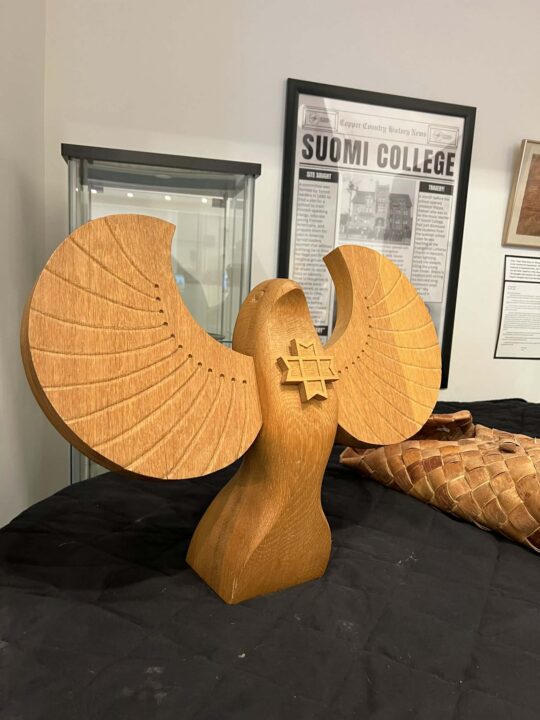
Established in 2013, the programme of Finno-Ugric Capitals of Culture aims to raise awareness of Finno-Ugric and Samoyedic peoples as well as Uralic languages, to strengthen collective Finno-Ugric identity and to stimulate sustainable local development in different corners of the Finno-Ugric world.
The title of ‘Finno-Ugric Capital of Culture’ has helped raise the profile of title-holders both domestically and internationally. Even more importantly, the status of a Finno-Ugric Capital of Culture has strengthened local communities and provided new opportunities for development. The Finno-Ugric Capitals of Culture programme has also proven to be among the most resilient and sustainable international Finno-Ugric initiatives of the past decade.
To date, the title of Finno-Ugric Capital of Culture has been awarded to twelve villages or cities: Udmurt village Bygy (2014), Seto village Obinitsa (2015), Hungarian village Iszkaszentgyörgy and City of Veszprém (2016), Karelian village Vuokkiniemi (2017), Mari village Shorunzha (2019), Mari-speaking village Mishkan in Bashkortostan (2020) Abja-Paluoja in Mulgimaa region of Estonia (2021), Udmurt village Bayterek (2022), the Finnish city Kuhmo (2023), the Estonian city of Narva (2025), and the US city, a centre of Finnish American culture Hancock (2026).