
News
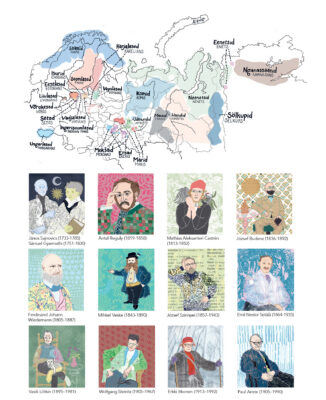
Fenno-Ugria's new exhibition "13 Finnougrists" presented in University of Tartu
Fenno-Ugria’s new travelling exhibition, ‘13 Finnougrists’, opened on 9 September 2026 in the Jakobi 2 teaching building at the University of Tartu. The exhibition is …
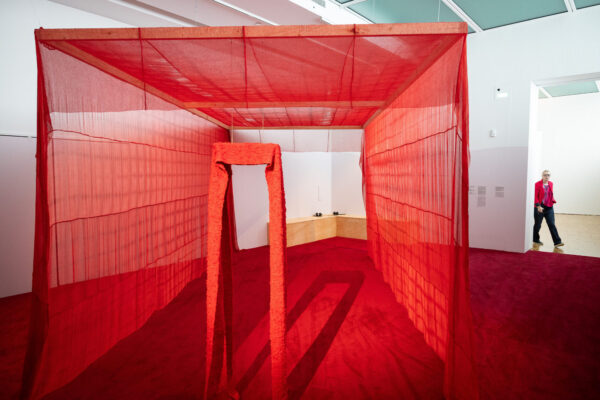
Kumu’s new exhibition explores the complex journey of the Saami
On Friday 11 September 2026, Kumu opened the international group exhibition ‘no beginning, no end: Decolonial Gestures in Sámi Worldbuilding’, which explores the complex journey …
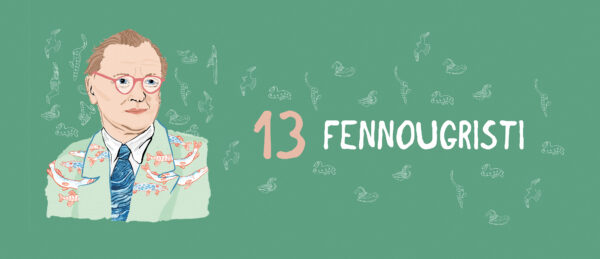
New travelling exhibition "13 Finnougrists"
The exhibition is based on material from the 2026 Finno-Ugric calendar. Finno-Ugric studies is a small but important discipline, the influence of which extends far …
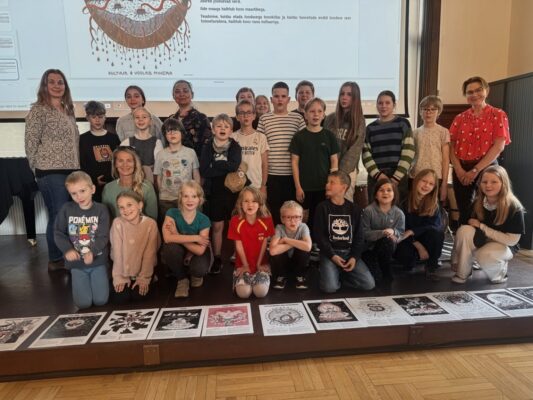
Brussels: presentation of Fenno-Ugria's report and opening of Piret Räni's exhibition
On 21 May, the opening of Piret Räni’s exhibition “Animals in the Mythology of Finno-Ugric Peoples” took place at the Estonian Embassy in Brussels. At the same time, Barbi Pilvre, director of Fenno-Ugria, gave a half-hour overview of the situation of Finno-Ugric peoples in Russia in recent years, based on a report commissioned by the Ministry of Foreign Affairs.

The Ethnic Science Award goes to linguist and anthropologist Roza Laptander
The Kindred Peoples’ Programme’s Ethnic Science Award goes to linguist and anthropologist Roza Laptander for her research on the silence of the Nenets.
Finno-Ugrian days return this October
The festival reaches its apex on the third Saturday of October – this year on October 15th – the day that the national flags of Estonia fly in honour of our fellow kindred peoples living all around the world.
Ethnic Science Award 2022: Kindred People's Programme calls for nominations
This year, the competition welcomes the works of researchers who are based outside of the Russian Federation. Applications should be submitted electronically. The deadline for submitting nominations is 31 August 2022.

The Nordic Pavilion Becomes the First Sámi Pavilion
For the first time, only Sámi artists will be presented in a national pavilion at the Venice Biennale, and for the first time, the Sámi will be recognised as a nation in a pavilion that bears their name.
Fenno-Ugria condemns the aggression by the Russian Federation in Ukraine
We do not consider cooperation possible with Finno-Ugric peoples’ organisations and individuals that support military action against Ukraine by the Russian Federation, until they stop supporting the activities against humanity by the leadership of their country.
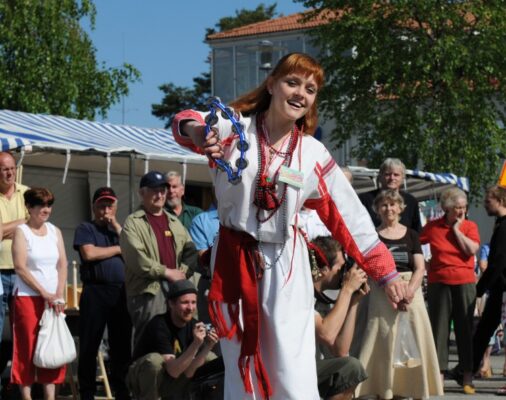
Finnish town Kuhmo selected as Finno-Ugric Capital of Culture 2023
This marks the first time that the Finno-Ugric Capital of Culture will be located in Finland. Kuhmo expects the title to boost cultural tourism in the region and to support the preservation and revitalization of languages and cultural heritage across the wider Finno-Ugric world.
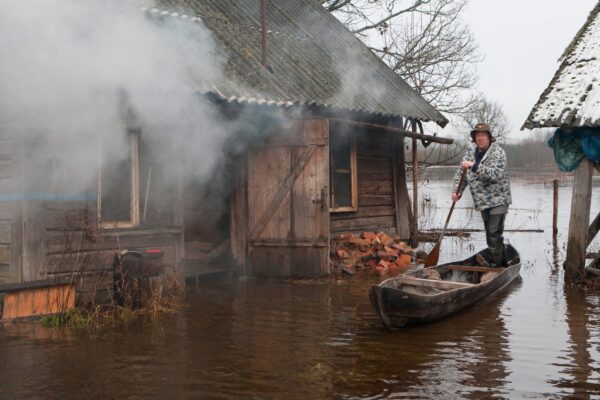
Estonia's Soomaa region dugout boat culture added to UNESCO protection list
This is Estonia's fifth entry on the Intangible Cultural Heritage list and the first which is described as urgently in need of safeguarding.
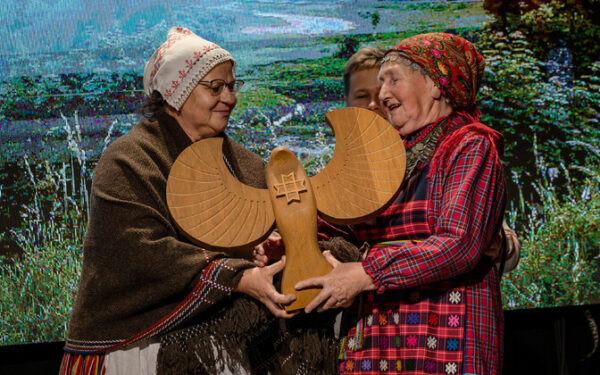
Mulgimaa passes on the title of Finno-Ugric Capital of Culture to Udmurtia
At the closing ceremony of the Finno-Ugric Year of Culture, participants will be addressed by President Toomas Hendrik Ilves and Minister of Culture Tiit Terik.