
News
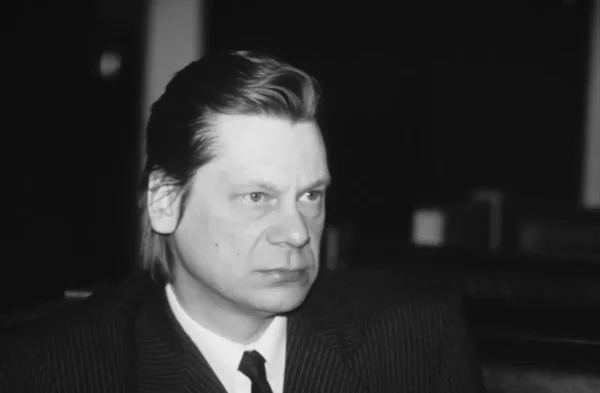
In memoriam Jaan Tooming 28.03.1946- 5.04.2024
The director and actor Jaan Tooming, who considered Finno-Ugric ways of thinking important to Estonians, has passed away. Inspired by the work of Uku Masing, he reflected these thoughts in his theatre productions.
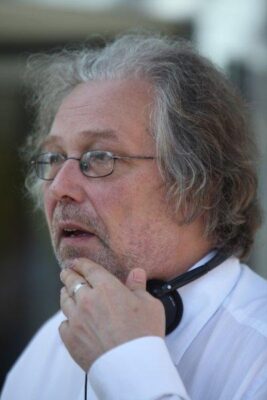
Andres Heinapuu 70
16 March was the birthday of Andres Heinapuu, one of the founders of Fenno-Ugria (1991).

Children's animation in Nenets
The Russian children's animation series Be-be-bears ('Mi-mi-mishki' in Russian) will have several episodes translated into Nenets.
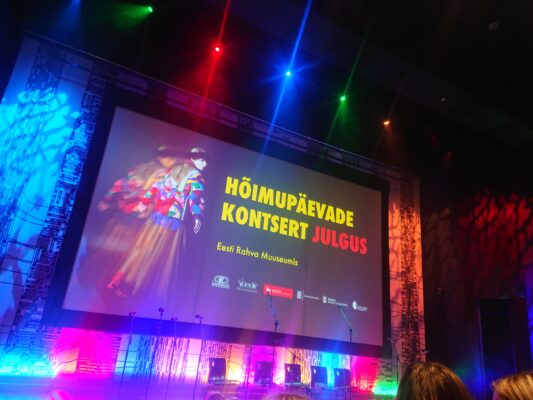
Overview of Fenno-Ugria's 2023 Finno-Ugric Days
Fenno-Ugria organised a series of events in Tallinn and Tartu in October 2023 centred around the Finno-Ugric Day (a.k.a. Kindred Peoples’ Day), bringing together Finno-Ugric …
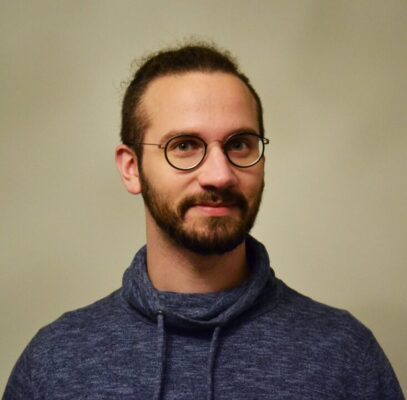
Fenno-Ugria employee appointed chairman of Taivaannaula
At the general meeting on 29 October, Patrick O’Rourke, a Fenno-Ugria employee and project manager, was elected chairman of the Finnish Folk Culture Association ‘Taivaannaula’. …
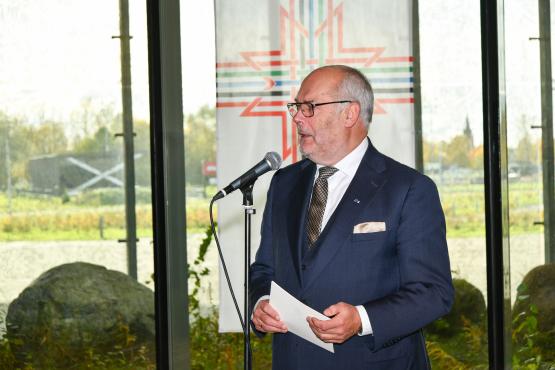
President Karis: 'We must not become indifferent to the fate of our kindred people amid other concerns'
In October, Estonia celebrated its Finno-Ugric identity throughout the month. The celebration culminated in and centred around the Finno-Ugric Day, also known as Kindred Peoples' Day, on the third Saturday of the month, this year on 21 October. The celebration was held in the Estonian National Museum and attended by the President of Estonia, Alar Karis. His speech is translated into English below.

Finno-Ugric Days 2023
The theme of this year's Finno-Ugric Days is 'Courage', referring to difficult times and the courage to remain ourselves. A series of events in Tallinn and Tartu will bring together Finno-Ugric musicians, artists, writers and scholars. There will be an academic conference on Latvian indigenous peoples, a chance to listen to traditional music and listen to classical music. The month will end with hot club nights in Tartu and Tallinn.
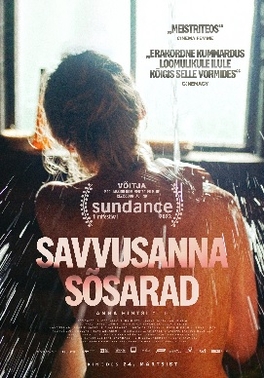
'Smoke Sauna Sisterhood' nominated for international awards
The Estonian-made and co-produced documentary film ‘Smoke Sauna Sisterhood’, or ‘Savvusanna sõsarad’ in South Estonian has received much international attention. The movie, directed by Anna …
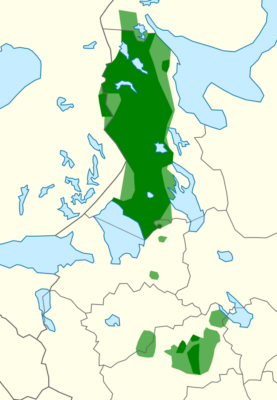
University of Eastern Finland leads programme to revive Karelian
The Karelian language revitalisation project has received funding from the Ministry of Education and Culture of Finland to continue the programme.
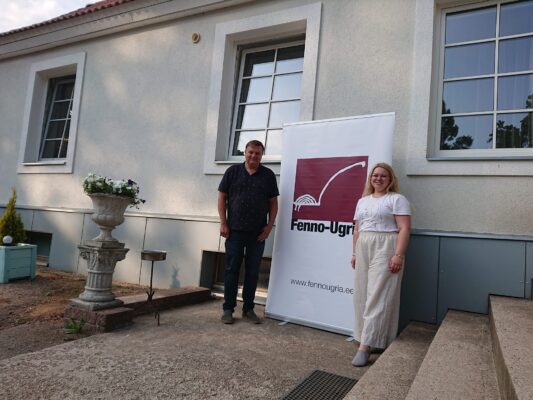
Summer school "Shame and Guilt in Finno-Ugric Cultures"
Fenno-Ugria's summer school "Shame and Guilt in Finno-Ugric Cultures" took place in Kadrina Manor in Tartumaa between 18–20 August 2023.
Tallinn University's Finno-Ugric bloggers' school had a discussion at the Finno-Ugric film festival FUFF
As part of Tallinn University’s Summer School, the School for Finno-Ugric Bloggers took place on August 21-24. The results of the School were further discussed …
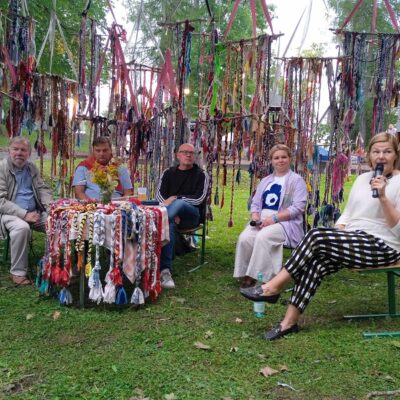
Fenno-Ugria at Paide Opinion Festival 11 August 2023: "Russian aggression in Ukraine and Finno-Ugric peoples"
Fenno-Ugria organised a panel discussion on 11 August at the Paide Opinion Festival. The panelists were Jaak Prozes (Fenno-Ugria adviser), Aimar Ventsel (ethnologist), Tõnu Seilenthal (Fenno-Ugria board member, Finno-Ugrist), Anna Kuznetsova (Fenno-Ugria project manager of Komi origin). The moderator was Barbi Pilvre (Director of Fenno-Ugria).